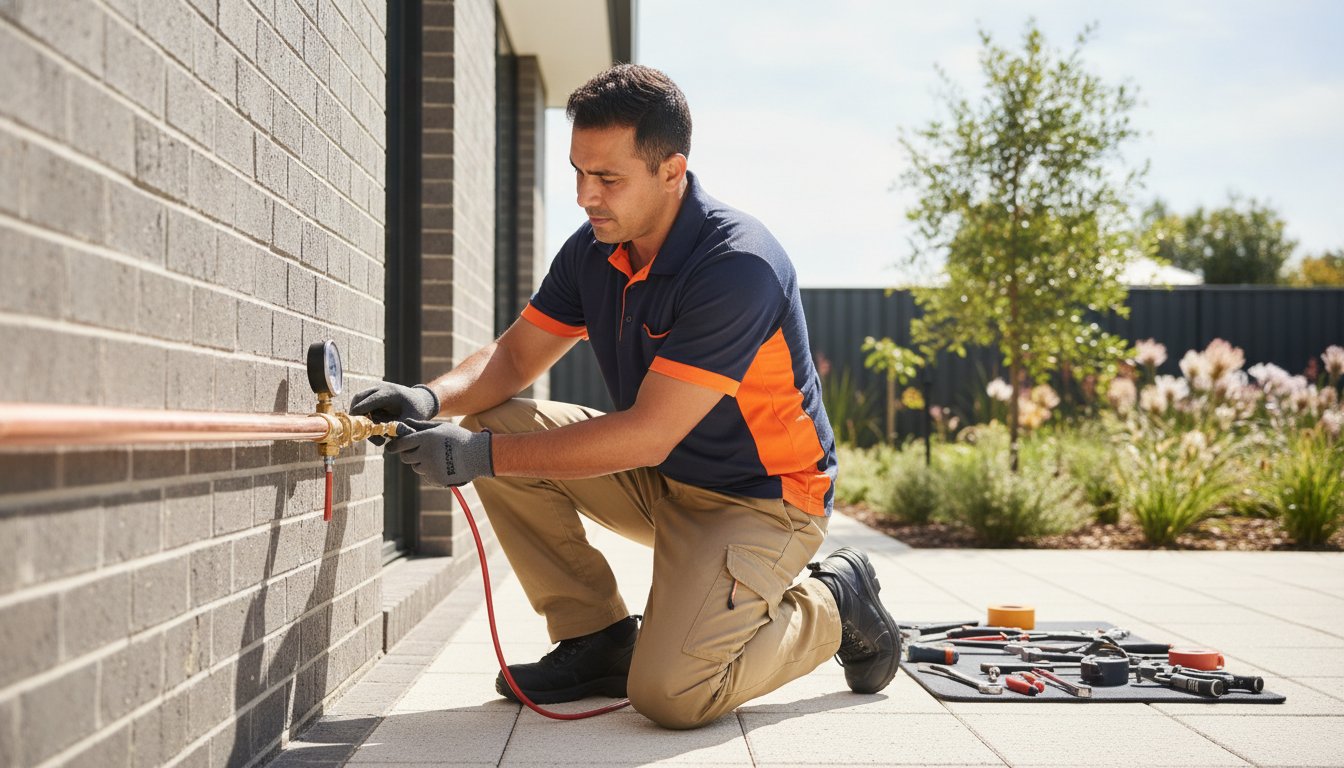
Cost to Install a Gas Line: 2026 Homeowner’s Pricing and Safety Guide
Imagine you’ve just invested in a premium gas range, but the excitement fades the moment you realize you need a new connection. You start searching for the cost to install a gas line, only to find a mess of conflicting quotes and confusing technical jargon. It’s enough to make any homeowner feel uneasy. You want a fair price, but you also need the absolute certainty that your home is safe from leaks. We get it. Nobody wants their garden torn apart only to be left with a massive cleanup and a lingering worry about safety.
You deserve a service that is FAST and professional, right? This 2026 guide simplifies the process by explaining exactly what drives installation expenses, from pipe materials to complex trenching needs. You will learn how to secure a functional, high-pressure connection without the stress of property damage or hidden fees. We will show you how to spot a master plumber who values your time and promises a Clean-Up Like It's Their Own. Let’s get your project moving to your door, fast and hassle-free.
Key Takeaways
- Identify the three major factors—labor, materials, and permits—that determine the total cost to install a gas line in your home.
- Distinguish between complex street-to-home connections and simple appliance extensions to better understand your project's scope.
- Prioritize safety by ensuring your installer uses professional pressure testing to prevent dangerous leaks and property damage.
- Learn why choosing a provider with 24/7 availability and a 1-minute callback guarantee ensures your gas project stays on schedule.
- Ensure a stress-free experience with a pro who respects your property and promises a "Clean-Up Like It's Their Own" after every job.
Understanding Gas Line Installation Costs
Gas line work is a high-stakes, precision-based plumbing task. It isn't a weekend DIY project. Every connection must be airtight to prevent hazardous leaks. When you look at the cost to install a gas line, you're paying for a specialized skillset that ensures your family stays safe. It's about more than just laying pipe. It's about pressure testing, ventilation, and technical accuracy. Professional installation is a non-negotiable safety requirement. You wouldn't compromise on your home's structural integrity, right? The same logic applies to your gas connection.
The project scope dictates the final investment. Are you adding a single hookup for a new gas cooktop? Or are you running a completely new main from the street to your house? A simple extension is a FAST job for a pro. A new mains connection involves heavy trenching and coordination with local utility providers. This distinction is the first thing a reliable plumber will clarify during your initial consultation. We focus on getting you the right solution without unnecessary delays.
The Difference Between Labor and Material Fees
Expert gasfitters charge for their specialized knowledge and the high-end tools required for the job. We use calibrated manometers to detect even the smallest pressure drops. Materials also play a major role in the total cost to install a gas line. Copper is often the standard for indoor lines due to its durability. Polyethylene is the go-to for underground runs because it resists corrosion. Galvanized steel provides maximum strength for exposed areas. The specific mix of these materials depends on your home's layout and local regulations. Specialized tools, like pipe threaders and electronic leak detectors, increase the value and safety of professional labor.
Permits and Compliance Certificates
You can't skip the paperwork. Local councils require permits for gas work to ensure every installation meets national safety standards. Once the job is done, your plumber must issue a compliance certificate. This document is your proof that the work is legal and safe. Without it, your home insurance might be void in the event of a fire or leak. These administrative steps are built into your quote to ensure a hassle-free experience from start to finish. We handle the red tape so you don't have to. It's all part of our commitment to professional-grade service that protects your property like it's our own.
Variables That Drive Your Installation Quote
Every home layout presents a unique set of challenges. When you look at the cost to install a gas line, the final number depends on how much work is required to get gas from point A to point B. The total distance from your meter to the new appliance is the most obvious factor. Longer runs require more materials and more labor hours. However, the path those pipes take matters just as much. Are we running lines through an open crawlspace or fishing them through finished walls? Complexity adds time, and time affects your quote. We prioritize getting the job done FAST without cutting corners on safety.
The number of gas outlets, often called bayonets, also shifts the scope. Each new connection point requires additional fittings and rigorous leak testing. We also look at the BTU requirements of your appliances. A high-demand tankless water heater needs a much higher volume of gas than a standard cooktop. If your current system can't handle the load, we might need to upgrade your existing lines to a larger diameter. If you're unsure about your current capacity, our team provides a 1-minute callback to help you assess your needs quickly.
Trenching and Property Restoration
If your gas line needs to go underground, soil type becomes a major variable. Digging through soft sandy soil is a quick process, but rocky ground or heavy clay requires specialized machinery and more effort. We also consider your landscaping. Running a line under a manicured lawn is different than cutting through a concrete patio or a paved driveway. We understand that your home is your sanctuary. We promise to Clean-Up Like It's Their Own, ensuring your yard and property are restored to a tidy state as soon as the pipes are safely buried.
Pipe Diameter and Material Selection
Material choice impacts both the upfront investment and long-term durability. Copper is a premium choice for its longevity and resistance to the elements, while flexible gas piping can be a more cost-effective solution for navigating tight, internal spaces. The diameter of the pipe is also critical. High-performance appliances require wider lines to maintain consistent gas pressure. Using a pipe that is too small can lead to appliance failure or safety shut-offs. We select the right materials based on your specific BTU needs to ensure your system is both functional and hassle-free for years to come.
Comparing New Connections vs. Line Extensions
Understanding the difference between a new main connection and a simple line extension is vital for your project planning. A new connection involves bringing gas from the street main directly to your property meter. This is a significant logistical task. It requires coordination with utility providers and often involves heavy excavation near the property boundary. If you are building a new home or finally switching from all-electric to gas, this is your starting point. We handle the technical hurdles to get your service active as FAST as possible.
A line extension is different. This occurs when you already have gas service but need to run a new pipe to a different room or appliance. Adding gas to a multi-story property adds a layer of difficulty. Fishing pipes through vertical wall cavities or between floor joists takes specialized skill and more time than a standard ground-floor installation. We also have to check your gas meter. Older meters often lack the capacity to handle the high BTU loads of modern tankless systems or large heaters. Upgrading that meter can add time to your project, but it ensures your appliances work at peak performance without safety shut-offs.
Upgrading to Natural Gas from LPG
Switching from bottled LPG to mains natural gas is a common way to lower long-term energy bills. However, it isn't as simple as just plugging in a new hose. LPG and natural gas operate at different pressures. This means every appliance in your home needs a new regulator or a jet conversion to burn the new fuel source safely. Our team manages these conversions with a focus on precision and safety. To see how these technical service calls compare to standard maintenance, you can review our guide on plumbing repair costs. We make the transition hassle-free so you can enjoy the convenience of a constant gas supply.
Adding Outdoor Gas Features
Outdoor kitchens and patio heaters are essential for the modern lifestyle, right? Installing a BBQ bayonet requires specific weatherproofing to protect the line from moisture and corrosion. We use premium, UV-rated materials for any exposed piping to ensure it stands up to the elements for decades. The distance from the main house is the primary factor in the cost to install a gas line for outdoor features. Longer runs mean more trenching and more materials. We pride ourselves on a military-like focus on punctuality, getting your outdoor entertainment area ready for use without leaving a mess behind. We treat your garden with the same respect as our own.

Professional Safety Standards and Testing
DIY gas work is a risk you simply cannot afford. While a water leak causes a mess, a gas leak can destroy a home in seconds. This is why professional installation isn't just a recommendation; it's a life-saving requirement. When you invest in the cost to install a gas line, you are paying for the peace of mind that comes from a 100% airtight system. We don't guess. We verify every joint and fitting using high-precision digital manometers. It's about total certainty, right?
Microscopic leaks are invisible to the naked eye. Even the traditional "soapy water test" isn't enough for a modern, high-pressure system. Our team uses electronic leak detectors that can sense gas molecules at parts-per-million levels. We find the problems before they become crises. Speed is also a safety factor. If you suspect an issue during or after an installation, you need a professional to your door - fast and hassle-free. Our 1-minute callback guarantee means you are never left wondering if help is on the way. If you're ready for a safe, expert setup, contact us now for a priority consultation.
The Pressure Test Procedure
The pressure test is the most critical phase of the job. First, we isolate the new line from the rest of the house. We then pressurize the pipe with air to a level significantly higher than standard operating pressure. We watch the gauge. The line must hold this pressure for a specific duration, typically 15 to 30 minutes, without any fluctuation. "Deep expertise in gas line repair ensures your installer knows exactly where systems fail before the first flame is ever lit." This rigorous process guarantees that your system is resilient enough for daily use.
Ventilation and Appliance Clearances
Safe gas usage requires more than just a tight pipe. It requires proper airflow. Every indoor appliance has mandatory clearance requirements to prevent overheating and the buildup of carbon monoxide. We ensure your cooktop or heater is the correct distance from cabinets and other ignition sources. We also install mandatory safety features like sediment traps, which catch pipe scale and debris before it can clog your appliance. Every line also gets a dedicated shut-off valve. This allows you to isolate a single appliance in an emergency without cutting gas to the whole house. It's all about creating a system that is as safe as it is functional.
Fast and Reliable Gas Line Solutions
Why should a gas project drag on for weeks? When you're looking into the cost to install a gas line, you aren't just paying for pipes. You're paying for a timeline that respects your busy schedule. We believe speed and punctuality are the core of a stress-free experience. Gas needs are often urgent, which is why we maintain 24/7 availability for our customers. Whether it's an emergency repair or a planned upgrade, we get a professional to your door - fast and hassle-free.
Ambiguity is the enemy of a good plumbing job. We eliminate the guesswork with our strict Three-Step Process. First, we respond to your inquiry instantly. Second, we perform a rapid on-site assessment to map out the most efficient route for your new connection. Third, we execute the install with military-like focus. This streamlined flow creates momentum toward a resolution. You get a safe, functional connection without the typical industry delays. It’s about getting your home back to normal ASAP, right?
We also address the one thing most plumbers ignore: the mess. Trenching and pipework can be intrusive. We don't just finish the job and leave. Our signature promise is a "Clean-Up Like It's Their Own." We treat your property with personal respect, ensuring every scrap of debris is removed and your landscaping is restored. You won't even know we were there, except for your perfectly functioning gas appliances. It’s part of being a reliable neighbor with professional-grade expertise.
The Fast Plumbing Difference
Our 29 years of industry experience isn't just a number. It's a guarantee of efficiency. We've seen every possible home layout and soil condition, which means we work faster and safer than less experienced teams. We value your time as much as our own. That's why we offer a 1-minute callback guarantee. No more waiting days for a return phone call. Our no-nonsense approach cuts out the fluff and focuses on the results you care about. This efficiency often saves homeowners money on total labor hours because we don't waste time on-site.
Getting Your Hassle-Free Quote
Ready to start? The process begins with a transparent property visit. We inspect your existing meter, calculate the BTU requirements for your specific appliances, and measure the distance for the new line. We provide clear, flat-rate options for standard installs so you know exactly what to expect. There are no hidden fees or surprise charges halfway through the job. We keep the communication regular and honest from start to finish. If you're ready to upgrade your home's energy efficiency, we are ready to help. Contact us for a FAST gas line quote!
Upgrade Your Home with Confidence and Speed
You now have a clear roadmap for your next home improvement project. You understand that the total cost to install a gas line depends on distance, material choice, and the specific layout of your property. More importantly, you know that safety requires professional pressure testing and a level of precision that only a master plumber can provide. Don't let the fear of a mess or a slow contractor hold you back from the energy efficiency and convenience of natural gas.
We bring over 29 years of experience to every job site, ensuring your installation is handled with expert care. We value your time, which is why we offer a 1-minute callback guarantee to get your project moving ASAP. When the work is done, we promise a Clean-Up Like It's Their Own. You get a safe, professional connection to your door, fast and hassle-free. Ready to start? Get a FAST Quote on Your Gas Line Installation and enjoy the peace of mind that comes with expert service.
Frequently Asked Questions
How much does it cost to run a gas line 20 feet?
The cost to install a gas line for a 20-foot run depends on whether the pipe is surface-mounted or requires underground trenching. Longer runs require more materials and labor hours to ensure a safe, airtight connection. We evaluate the best route through your walls or floors to minimize property impact. Our team provides clear, flat-rate options after a quick inspection, giving you an accurate quote based on your home's unique layout and appliance needs.
Do I need a permit to install a new gas line in my home?
Yes, local council permits are mandatory for all new gas work to ensure compliance with national safety standards. Once the installation is finished, a licensed professional must issue a compliance certificate. This document is vital for your home insurance and future property sales. We handle all the administrative red tape for you, ensuring your project meets every legal requirement without causing unnecessary stress for your family. It is all part of our professional-grade service.
Can a standard plumber install a gas line, or do I need a specialist?
You need a licensed gasfitter with specialized training in high-pressure systems. While many plumbers handle water lines, gas work requires specific certifications and tools like digital manometers for pressure testing. Our team is led by a Master Plumber with over 29 years of experience, providing the high-level expertise needed for these precision tasks. Never risk a DIY attempt or an unlicensed contractor when it comes to the safety and reliability of your home.
How long does a typical gas line installation take?
Most standard appliance extensions are completed in a single day, often within a few hours. Complex projects, such as running a new main from the street or navigating a multi-story property, may take longer. We focus on getting the job done FAST and efficiently. Our Three-Step Process eliminates ambiguity, moving your project from the initial callback to the final pressure test with a military-like focus on your timeline and your home's safety.
Is it cheaper to run a gas line for a stove or a water heater?
A stove installation is usually more affordable because it requires a smaller pipe diameter and has lower BTU requirements. High-demand appliances like tankless water heaters often need larger lines to maintain consistent pressure, which increases the total cost to install a gas line. We assess your specific appliance specs during our property visit to provide a transparent, hassle-free quote. This ensures your system is perfectly sized for both performance and long-term safety, right?
What are the signs that my newly installed gas line has a leak?
The most common sign is a "rotten egg" smell caused by added odorants. You might also hear a faint hissing sound near connections or notice patches of dead grass over an underground line. If you suspect a leak, leave the area immediately and contact us for an emergency inspection. We offer 24/7 availability and a 1-minute callback guarantee to address these urgent safety concerns before they become a crisis for your household.
Will installing a gas line damage my walls or landscaping?
We use non-invasive techniques whenever possible to protect your home's structure. If trenching is required for an underground line, we take extreme care to preserve your garden. Our signature promise is a "Clean-Up Like It's Their Own," which means we restore your property to a tidy state before we leave. You won't have to worry about property damage or a lingering mess. We treat your property with the same respect we show our own.
Can I use the same gas line for multiple appliances?
Yes, you can use a single trunk line to feed multiple appliances, provided the pipe diameter is large enough to handle the combined BTU load. If the line is too small, your appliances won't function correctly or may shut off during peak usage. We calculate the total demand for your cooktop, heater, and water system to ensure the manifold and piping are sized for total reliability and safety throughout your entire home.
