Hearing Running Water When Everything is Off? What to Do
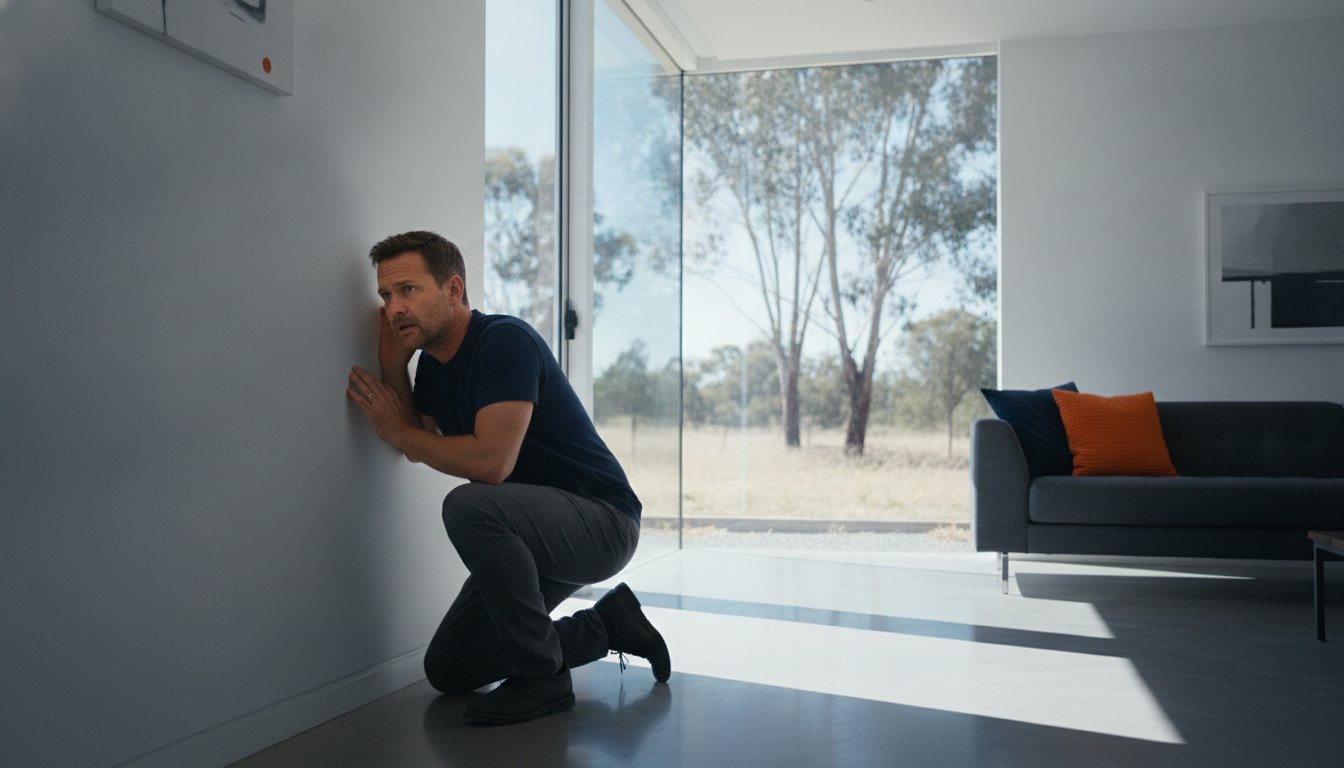
That faint, persistent sound of running water when everything is off isn't just a minor nuisance; it's a plumbing emergency hiding in plain sight. You've checked every faucet and looked under the sinks, yet the ghost of a rushing stream remains. It's enough to keep you awake at night, worrying about your foundation or a water bill that's about to skyrocket. We know how stressful it feels when you can't find the source of a problem in your own home. You're looking for answers, and you need them quickly.
You deserve a home that's quiet and a plumbing system you can trust. This guide will help you identify the hidden source of that noise before it turns into a costly disaster. We'll walk you through a simple process to verify if you have a leak, explain why slab leaks are often the culprit, and show you when to call for professional leak detection FAST. You're about to learn how to silence the noise and get a hassle-free repair that protects your property from hidden mold and structural damage.
Key Takeaways
- Identify why you hear the sound of running water when everything is off and how it often signals a high-pressure pipe failure.
- Discover how "ghost flushing" and water heater valves create hidden leaks that waste thousands of gallons of water every month.
- Learn the simple Water Meter Test to confirm a leak FAST and isolate whether the problem is inside your home or in your main line.
- Understand the warning signs of a slab leak, which can cause severe foundation damage and high bills if not addressed immediately.
- See how high-tech acoustic sensors and thermal imaging find hidden leaks without the mess, ensuring a hassle-free repair.
Why You Hear Water Running: The Reality of Silent Leaks
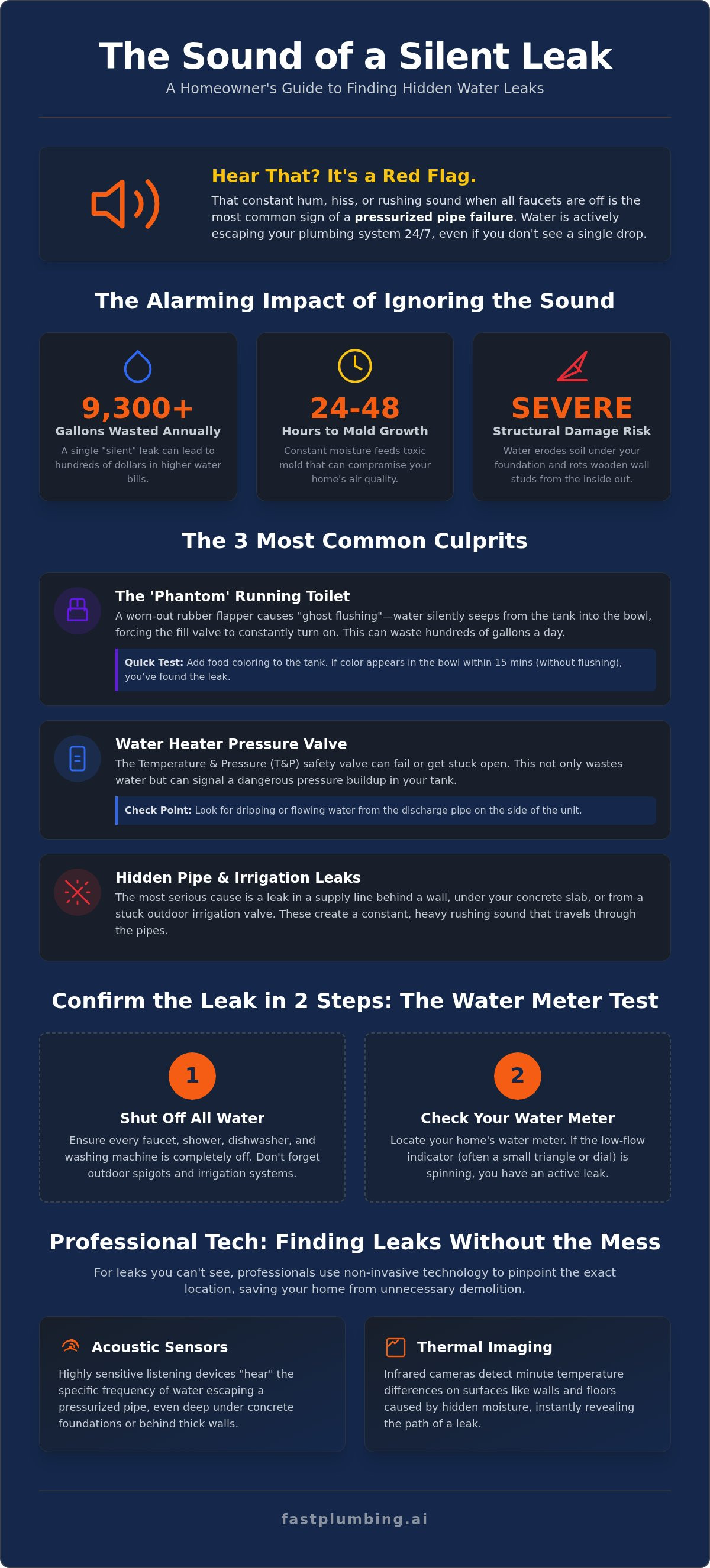
You hear it. That steady, low level hum or the sound of a distant creek. It happens when the house is quiet and every tap is shut tight. This isn't your imagination. The sound of running water when everything is off is the most common warning sign of a pressurized pipe failure. Unlike a drain leak that only drips when you use the sink, a supply line leak is under constant stress. It never stops. Water is being forced out of your plumbing system every second of the day.
Plumbers listen for specific cues to diagnose the problem. A sharp, high pitched hissing sound usually indicates a pinhole leak where water sprays out at high velocity through a tiny opening. A rushing or gurgling sound often means a larger volume of water is moving, possibly under your floors or behind a wall. Both sounds mean your pipes are failing.
Understanding Pressurized Water Systems
Your home's plumbing is always active. Water sits in your pipes under significant pressure, waiting for you to turn a handle. When a pipe cracks or a joint fails, that pressure forces water out with incredible energy. This creates vibrations that travel through your plumbing. If you have copper pipes, they act like a megaphone, carrying the sound throughout the house. PEX piping is quieter, but a high pressure leak will still create a distinct vibration you can hear in a quiet room.
The Hidden Costs of Ignoring the Sound
Waiting to address these noises is a gamble you won't win. To understand what is a water leak in a professional context, you have to look at the volume of loss. A "silent" leak can waste more than 9,300 gallons of water each year according to EPA data. That's money literally flowing down the drain. We see water bills spike by hundreds of dollars from a single failing pipe.
Beyond the bill, the structural risks are severe. Constant water flow erodes the soil under your foundation, rots wooden wall studs, and feeds toxic mold growth. Mold can start growing in as little as 24 to 48 hours. Don't wait and see if the sound goes away. It won't. You need to act FAST to prevent a manageable repair from turning into a full scale home renovation. Identifying the source early makes the fix hassle-free.
The 3 Most Common Culprits Behind the Mystery Sound
You've checked the faucets, right? They're dry. But the sound of running water when everything is off still fills the room. This doesn't happen by accident. When your fixtures are closed, the noise points to a constant, pressurized flow somewhere else. Most homeowners assume it's a loose pipe, but loose pipes only rattle when you actually use the water. If the house is silent and the water is rushing, the problem is likely one of these three common culprits.
The 'Phantom' Running Toilet
The most frequent cause of mystery plumbing noise is "ghost flushing." This happens when the rubber flapper in your toilet tank wears out, warps, or collects mineral buildup. Water slowly seeps from the tank into the bowl. When the water level drops low enough, the fill valve kicks on to replenish the tank. It sounds like a sudden, short rush of water. You can confirm this with a simple dye test. Drop a few drops of food coloring into the tank. If that color shows up in the bowl without you flushing, you've found your leak. Toilet leaks are the leading cause of massive water bills. They can waste hundreds of gallons in a single day.
Water Heater Pressure Relief Valves
Your water heater has a safety device called a Temperature and Pressure (T&P) valve. If the tank gets too hot or the pressure climbs too high, this valve opens to prevent a dangerous failure. Sometimes, these valves get stuck or fail due to age. Check the discharge pipe on the side of your unit. If it's dripping or pouring water, you have a problem. This isn't just a waste of water; it could mean your system is dangerously overheating. If you see water here, you need a professional water heater repair ASAP to keep your home safe.
Hidden Pipe Bursts and Irrigation Issues
If the toilet and water heater are clear, the noise likely comes from a pipe burst behind a wall or under your foundation. These are high-pressure leaks that create a constant, heavy rushing sound. Don't forget to check your outdoor spigots and irrigation valves. A stuck valve in your lawn can sound exactly like a leak inside your walls because the vibrations travel through the pipes into your home. Learning how to check for leaks at your main water meter is the fastest way to narrow this down. If the meter is spinning while your house is quiet, you have a serious issue. You can schedule a professional inspection to find the exact spot before the damage spreads. We'll find the source FAST so you can get back to your life.
DIY Diagnostic Guide: How to Find the Leak FAST
Finding the source of a plumbing mystery shouldn't feel like a guessing game. If you hear the sound of running water when everything is off, you need a systematic approach to confirm your suspicions. Most people wait for a puddle to appear, but hidden leaks can stay dry for weeks while doing massive damage. Follow these Environmental Protection Agency (EPA) tips on finding leaks to take control of the situation immediately.
Step-by-Step: The Water Meter Test
The water meter is your most honest witness. It records every drop entering your property. To start, locate your water meter box. It is usually found near the street in a concrete box or in your basement. Once you find it, ensure every single water-using appliance is turned off. This includes the dishwasher, washing machine, and even your ice maker. Don't forget to tell everyone in the house to stop using the sinks and toilets for a few minutes.
Open the meter cover and look at the dial. Most meters have a "low-flow" indicator, which is a small red or blue triangle or a star-shaped wheel. If that indicator is spinning, water is moving. For very slow leaks, take a reading of the digital numbers, wait 15 to 30 minutes without using any water, and check it again. Any change in the read-out confirms you have a leak. This test is the definitive way to prove your plumbing has a breach.
Isolating Your Main Water Line
Once you confirm the leak, you must determine if it is inside the house or in the main line. Locate your main shut-off valve, usually found where the pipe enters the house, and turn it off completely. Go back to the water meter and check the indicator again. If the meter is still spinning, the leak is located between the meter and the house. This often points to a main line break or an irrigation issue in your yard.
If the meter stops spinning when the house valve is closed, the leak is inside your walls or under your floors. This is a critical diagnostic step to perform before calling for professional leak detection. Knowing the general location helps the experts work even faster. If you still can't find the exact spot, try a DIY stethoscope method. Place the metal tip of a long screwdriver against a pipe or wall and put your ear against the handle. The vibrations will be loudest closest to the break. This simple trick can help you narrow down the search area in a quiet house.
When the Sound Means a Slab Leak or Main Line Break
Sometimes, the sound of running water when everything is off isn't coming from your walls at all. It's coming from beneath your feet. A slab leak occurs when a pressurized water pipe fails underneath the concrete foundation of your home. This is a high-stakes plumbing emergency. Because the pipe is encased in or buried under concrete, the water has nowhere to go. It begins to erode the soil supporting your home. This can lead to foundation heaving or even structural collapse if you don't act immediately.
Why is it so loud? Concrete, tile, and hardwood are excellent conductors of sound. A tiny pinhole leak under a slab can sound like a waterfall because the vibrations travel directly through the dense materials of your floor. If you notice a specific room feels unusually humid or smells musty, you might be standing right over the source. We treat every home with a "Clean-Up Like It's Their Own" promise, so we focus on finding these leaks without unnecessary destruction.
Identifying Slab Leak Symptoms
Look for more than just the noise. If the leak is on a hot water line, you may feel warm spots on your floor tiles or carpet. Over time, the shifting soil causes the foundation to settle unevenly. This leads to visible cracks in your drywall or baseboards. In some cases, a slab leak is actually a drainage issue that requires professional sewer line repair or a complete pipe reroute. Ignoring these signs leads to massive restoration costs. We solve these problems FAST with non-invasive technology that pinpoints the break without tearing up your entire floor.
Main Line Breaks vs. Interior Leaks
A break in your main service line creates a constant, high-pitched hiss. You can often hear this near the front of the house or where the line enters the structure. If your meter test showed the dial spinning even when the house shut-off valve was closed, the break is in your yard. Walk the path between your water meter and your home. Look for unusually green patches of grass, soggy soil, or actual puddles. Main line breaks are urgent. They can quickly wash away the earth under your driveway or sidewalk, creating dangerous sinkholes. If you suspect a main line issue, contact our leak detection team now to stop the waste and protect your property. We guarantee a rapid response to get your water system back in order immediately.
Professional Leak Detection: Finding the Source FAST
You have performed the meter test. You have listened to the walls. You know for a fact that water is moving, but you still can't see a single drop. This is the moment where DIY limits are reached. Finding the exact coordinates of a pinhole leak behind a tiled shower or deep under a kitchen island requires more than just a good ear. If you continue to hear the sound of running water when everything is off, you need professional intervention. You must stop the damage before it compromises your home's structural integrity.
Modern Technology for Non-Invasive Detection
We use ultrasonic acoustic sensors to solve the mystery. These specialized devices amplify the specific frequency of water escaping a pressurized pipe. Our technicians can hear a leak through layers of concrete, soil, and thick floorboards. This allows us to pinpoint the exact location of the break without guessing. We also utilize high-tech thermal imaging cameras. These tools allow us to "see" the heat signature of a hot water leak through your flooring or drywall.
This non-invasive approach is vital for your budget. It means we don't have to tear up your entire living room just to find a single loose fitting. Finding the source accurately saves you thousands of dollars in unnecessary demolition and restoration costs, right? When we arrive, we conduct a systematic site assessment. We map your plumbing lines and provide a definitive answer. It's a rapid, logical process designed to get your life back to normal with minimal friction.
Fast Plumbing: Your 24/7 Leak Solution
Fast Plumbing is built to handle these household crises. We offer a 1-minute callback guarantee because we know every second counts when water is flowing into your foundation. Our team is available 24/7 to provide an expert diagnosis to your door. We pride ourselves on extreme accountability. This includes our "Clean-Up Like It's Their Own" promise. We treat your property with the same level of respect we give our own homes.
You will never deal with a messy job site or confusing invoices. We provide clear, transparent information on plumbing repair costs before we start any work. Stop the anxiety over hidden mold and high bills today. Our goal is to provide a hassle-free experience that protects your investment. Contact us for FAST leak detection now! We will silence the noise and secure your home immediately.
Stop the Waste and Protect Your Foundation
Ignoring the sound of running water when everything is off is a risk you don't have to take. You now know how to use the water meter test to confirm a leak and how to spot the warning signs of a dangerous slab failure. These hidden threats don't fix themselves; they only get more expensive and destructive with every passing hour. You deserve a home that is safe, dry, and quiet.
Our team is ready to help right now with 24/7 Emergency Service and our signature 1-Minute Callback Guarantee. We use high-tech sensors to pinpoint the source of your trouble without making a mess of your property. With our Clean-Up Like It's Our Own Promise, we leave your home exactly as we found it. Don't let a hidden leak drain your bank account or damage your foundation. Stop the leak and save your home, Call Fast Plumbing FAST! We are here to bring you peace of mind and a hassle-free repair today.
Frequently Asked Questions
Is it normal to hear water running when everything is off?
No, it is never normal to hear water moving through your pipes when all fixtures are closed. This sound usually indicates a pressurized leak where water is escaping a supply line. While some noise during appliance use is expected, a constant sound of running water when everything is off means you have a breach that needs immediate attention to prevent property damage.
How much does a hidden water leak typically cost on a water bill?
The cost impact on your bill can be staggering depending on the size of the failure. A single pinhole leak can waste thousands of gallons per month, often adding hundreds of dollars to a standard residential bill. Because these leaks are under constant pressure, they run 24 hours a day. This means the financial loss compounds every minute you wait to address the problem.
Can a running water sound be caused by my neighbors' plumbing?
In single-family homes, it is very unlikely you are hearing a neighbor's plumbing. However, in townhomes or condos with shared walls, sound can travel through the framing or shared utility chases. If your water meter is not moving but the sound persists, it could be a neighbor's issue. If your meter is spinning, the problem is definitely within your own system and requires a fast solution.
What should I do first if I hear water running in my walls?
Your first priority is to shut off the main water supply to your home to stop the flow and prevent further damage. Once the water is off, check your water meter to see if the dial has stopped moving. This confirms the leak is on your property. After securing the system, call a professional for leak detection to find the exact breach without unnecessarily tearing into your walls.
Will homeowners insurance cover the cost of a hidden leak repair?
Most standard policies cover the "resultant damage" caused by a sudden leak, such as drywall repair or flooring replacement, but they often exclude the cost of the pipe repair itself. Coverage varies significantly based on your specific policy and whether the leak was considered sudden or gradual. You should contact your insurance agent immediately while a professional documents the source of the leak for your claim.
How do plumbers find a leak they can't see?
Experts use non-invasive technology like ultrasonic acoustic sensors to listen for the specific frequency of water escaping a pipe. We also use thermal imaging cameras to detect temperature changes behind walls or under slabs. These tools allow us to pinpoint the exact coordinates of the failure. This ensures we only perform repairs where they are absolutely necessary, which saves you significant time and money on restoration.
Could the sound of running water be an electrical issue instead?
While rare, a humming or buzzing sound from a faulty transformer or electrical panel can sometimes be mistaken for a distant water leak. However, if the sound changes or stops when you turn your main water valve off, it is definitely a plumbing issue. If the noise remains constant even with the water off and the meter still, you should have an electrician inspect your system for safety.
How fast can Fast Plumbing respond to a suspected leak?
We respond with a high sense of urgency because we know every second of flowing water causes more damage to your home. We offer a 1-minute callback guarantee and 24/7 emergency assistance to get a professional to your door as quickly as possible. Our goal is to provide a fast, hassle-free resolution so you can stop worrying about your foundation and your water bill immediately.
