Main Line Clog Symptoms: How to Spot a Sewer Emergency FAST
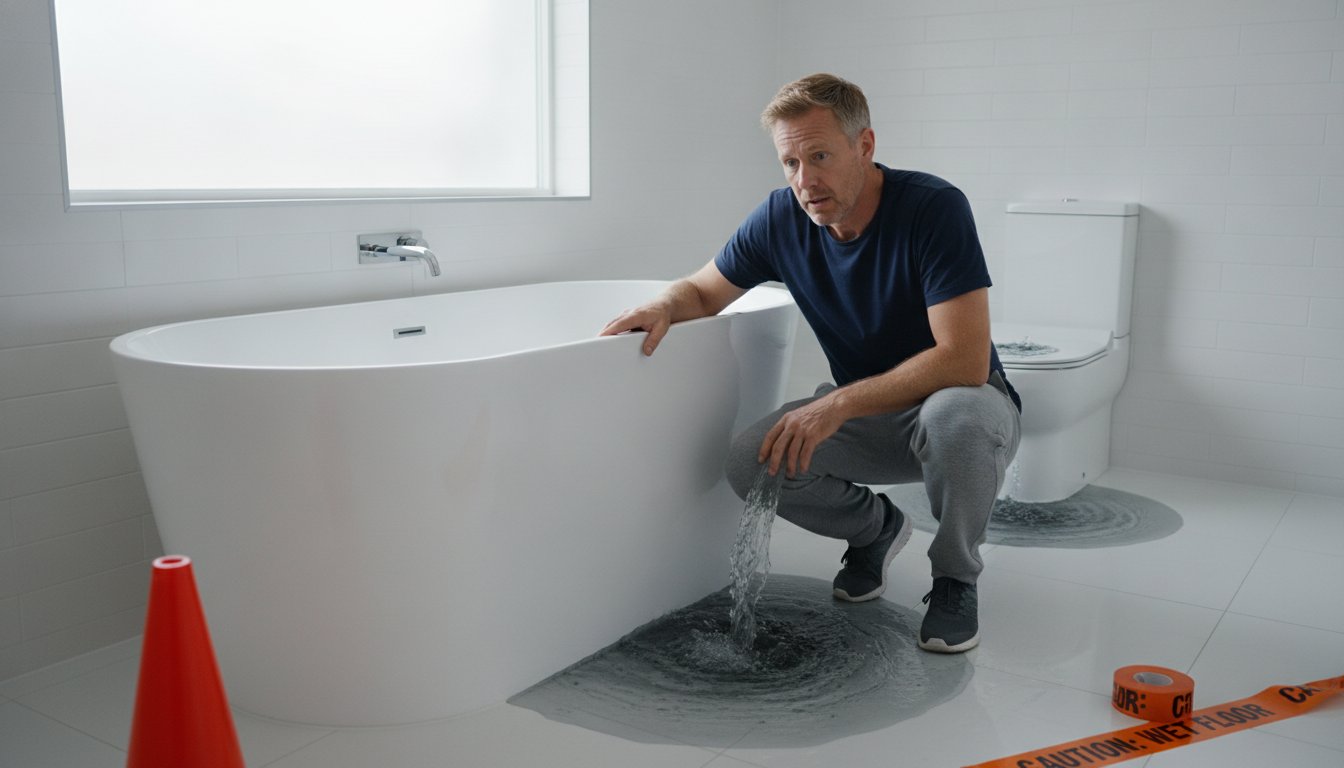
You flush the toilet and hear a strange gurgling sound coming from the shower drain. A few seconds later, foul-smelling water starts backing up into your tub. It's a high-stress moment that triggers an immediate fear of sewage flooding your home. Is it just a stubborn toilet, or are you seeing the first main line clog symptoms of a total sewer failure? You need an answer now because waiting even an hour could result in thousands of dollars in water damage.
We understand the anxiety that comes with hidden plumbing issues and confusing industry jargon. You want to protect your house without getting buried in unexpected costs or dealing with a massive mess. In this article, we'll show you how to spot a sewer emergency FAST and confirm if your main line is the culprit. You'll learn the specific warning signs to watch for, from multiple backed-up drains to unusual reactions when you run your washing machine. We also provide a clear plan of action so you can handle the situation with confidence. Let's get your plumbing back on track and your home protected today.
Key Takeaways
- Identify the top 5 main line clog symptoms so you can stop a sewage backup before it ruins your floors and furniture.
- Learn the "Flush Test" to quickly distinguish between a simple localized clog and a major whole-house sewer emergency.
- Master the immediate emergency protocol to shut down your water and prevent thousands in preventable water damage.
- Understand how professional video inspections find the root cause of a blockage FAST without digging up your yard.
- Discover why hydro jetting is the most effective way to scrub your pipes clean and prevent future sewer line failures.
What is a Main Line Clog and Why is it an Emergency?
Imagine your home's plumbing as a busy highway. Your sinks, showers, and toilets are the on-ramps, but they all lead to one single exit: the main sewer line. When this pipe gets blocked, the exit is closed. A main line clog is a total system failure that paralyzes your home's ability to dispose of waste. Instead of flowing out to the city sewer or septic tank, every drop of wastewater you create stays trapped inside your pipes. This creates a "bottleneck" effect where sewage has no choice but to reverse direction and enter your living space. Recognizing main line clog symptoms early is the only way to prevent a disgusting and expensive backup.
This isn't just a messy inconvenience; it's a genuine health emergency. Raw sewage carries harmful bacteria, viruses, and pathogens that can contaminate your home's air and surfaces within minutes. There is also a major difference between a "soft" clog and a structural failure. A soft clog usually involves a buildup of grease, hair, or heavy paper products. A structural failure is far more serious. It often involves tree roots invading the pipe or the pipe itself collapsing due to age. Both scenarios require professional intervention to solve the problem before it destroys your property.
The 'Trunk and Branch' Plumbing System
Your home uses a "trunk and branch" design. Think of your individual drains as the branches of a tree. They all feed into the "trunk," which is your primary sewer line. Because every fixture in your house is connected to this one central pipe, a blockage in the trunk affects every single branch. This is why you might see water backing up in the shower when you flush a toilet in a different room. To fix this, professionals use a sewer cleanout pipe. This is a dedicated access point, usually located outside your home, that allows us to reach the main line directly and clear the obstruction FAST.
Why Time is of the Essence
When a main line is blocked, the clock is ticking. Every time a faucet runs or a toilet flushes, pressure builds up behind the clog. This stagnant water can quickly seep into your flooring, drywall, and baseboards. Sewage damage is notoriously expensive to repair because porous materials often have to be completely replaced rather than just dried out. You must act ASAP to prevent a total home flood. Ignoring these main line clog symptoms for even a few hours can turn a simple drain cleaning job into a massive restoration project that costs thousands. We prioritize these calls because we know exactly what's at stake for your family.
The 5 Most Common Main Line Clog Symptoms
How do you know if you're dealing with a simple sink blockage or a total system catastrophe? Spotting the difference quickly is the key to saving your home from raw sewage. When the main line fails, the signs are usually loud, messy, and impossible to ignore if you know where to look. If you notice any of these main line clog symptoms, stop using your water immediately and pay close attention to how your home reacts.
- Multiple Backed-Up Fixtures: If your kitchen sink, guest bathroom, and laundry room all stop draining at the same time, it isn't a coincidence. A single clogged pipe only affects one room; a main line clog shuts down the entire house.
- Strange Plumbing Reactions: Does the toilet bubble when you run the bathroom sink? This "cross-talk" between fixtures is a major red flag that wastewater has nowhere to go.
- Sewage in Low Drains: Look at your shower floor or basement drains. Because they sit at the lowest point in your home, they are the first places where sewage will reappear.
- Persistent Foul Odors: A blocked main line traps sewer gases inside your walls. If your home suddenly smells like sulfur or rotten eggs, you likely have a backup.
- Water in the Exterior Cleanout: Find the white PVC pipe in your yard. If you remove the cap and see standing water or debris, the blockage is definitely in your main sewer line.
The 'Cross-Talk' Symptom
Plumbing systems are designed to keep water and air moving in one direction. When a blockage occurs, air gets trapped between the clog and the water you just sent down the drain. This trapped air has to escape somewhere. It often forces its way back up through the water seals in your toilets or shower traps. This creates those "haunted" gurgling sounds or causes your toilet water to jump. If your shower starts filling with soapy water while the washing machine is running, your main line is struggling to handle the volume. You can get professional help to confirm these signs before a small gurgle turns into a massive flood.
Visual Red Flags in Low-Level Drains
Gravity is your best diagnostic tool. Wastewater always seeks the lowest possible exit point. In most homes, this means the basement floor drain or a walk-in shower on the first floor. Check these areas for "tea-colored" water or a ring of grime around the drain. This indicates that sewage has already backed up and receded. Don't forget to inspect your exterior cleanout pipe. If wastewater is spilling out of this pipe in your yard, the problem is deep in the line and requires professional equipment to reach. Acting FAST when you see these visual cues can prevent permanent damage to your flooring and drywall.
Main Line vs. Secondary Clog: How to Tell the Difference
Don't panic just because your kitchen sink is slow. Not every drainage issue is a disaster. To handle the situation correctly, you must determine if the blockage is local or deep in your system. A secondary clog happens in the small branch pipes leading from a specific fixture. These are usually located just a few feet from the drain. A main line clog is different. It's a total system failure that occurs "downstream" of everything else. Knowing which one you're facing helps you decide if you need a simple plunger or a professional team FAST.
Try the "Flush Test" to get an answer in seconds. Go to the bathroom closest to where the sewer line leaves your house. Flush the toilet while someone else watches the shower drain. If the shower water rises or gurgles, you are seeing classic main line clog symptoms. If the toilet flushes perfectly but your kitchen sink won't budge, the problem is likely isolated to that one room. Secondary clogs are annoying, but main line clogs are emergencies that require immediate action to prevent sewage from entering your living space.
The Single-Fixture Test
Is the problem limited to just one sink or tub? If so, you're likely dealing with a secondary branch issue. These are usually caused by hair, soap scum, or food grease trapped in the P-trap. You can often solve these yourself with a standard cup plunger. Just make sure to create a tight seal and use firm, rhythmic strokes. However, be careful. If you clear a sink only for the toilet to start gurgling later, that secondary clog was actually a warning sign. It means your main line is slowly narrowing and needs attention ASAP.
The Whole-House Diagnostic
When multiple drains across the house start acting up, the blockage is downstream. This means the obstruction is in the "trunk" of your plumbing system. You might notice that the dishwasher causes the kitchen sink to overflow, or the washing machine makes the basement floor drain backup. These are clear indicators that your entire system is under pressure. A simple plunger won't reach a main line blockage. In these cases, drain cleaning by a professional is the only way to restore your pipes. We use advanced tools to clear the entire line so your home stays clean and safe.
Emergency Protocol: What to Do When Your Main Line Backs Up
What should you do the moment you confirm main line clog symptoms in your home? You must act immediately to prevent a disaster. The first and most important step is to stop all water usage. Don't flush the toilet, don't run the dishwasher, and don't take a shower. Any water you send down any drain will have nowhere to go but back up into your lowest fixtures. Locate your main water shut-off valve and turn it off. This prevents accidental water use from someone else in the house while you wait for help.
Next, find your exterior sewer cleanout. This is usually a white or black pipe with a cap sticking out of the ground near your foundation. Carefully unscrew the cap to release the pressure. If the line is backed up, sewage might spill out onto the grass. While this isn't ideal, it is much better than having that sewage spill onto your bathroom floor. Once the cap is off, you've created an emergency exit for the wastewater. Finally, you need a professional. Contact an emergency plumber who offers 24/7 service. You need a team that can arrive ASAP with the right equipment to solve the problem before the damage gets worse.
What NOT to Do
Avoid chemical drain cleaners at all costs. These products are highly corrosive and can damage your pipes. More importantly, they are completely useless against a main line blockage. The chemicals will just sit in a pool of standing water 50 feet away from the actual clog. You should also avoid using a small rental snake. If you use the wrong size, you could get it stuck or even puncture a weakened pipe. Never wait until morning to call for help. A few hours of standing sewage can double your cleanup costs and lead to mold growth. If you need help right now, contact us for a 1-minute callback and let our experts handle the mess.
Preparing for the Plumber's Arrival
While you wait for the pro to arrive, clear a path. Move any furniture, boxes, or clutter away from the indoor main stack or the outdoor cleanout. This allows the plumber to get to work FAST without wasting time moving your belongings. Keep children and pets in a separate room away from any contaminated areas to ensure their safety. Use your phone to take clear photos of any standing water or visible damage. This documentation is vital for your insurance company if you need to file a claim later. Once the plumber arrives, they can move straight to the diagnostic phase without any delays.
Professional Solutions: How We Clear Main Line Clogs for Good
Stop guessing what is happening inside your pipes. Once you have identified main line clog symptoms, the next step is to find a permanent solution that prevents the problem from returning next week. Modern plumbing technology has moved far beyond simple guesswork and messy trial-and-error. Today, effective sewer line repair starts with a high-definition view of the internal blockage. We don't just clear the water; we restore the integrity of your entire waste system. The Fast Plumbing, LLC promise ensures our team arrives with the specialized equipment needed to diagnose the root cause and solve it FAST, keeping your home a safe and clean environment for your family.
We pride ourselves on a "Clean-Up Like It's Their Own" promise. We know that a sewer emergency is already stressful enough without a technician leaving a mess behind. Our experts treat your property with extreme respect, wearing protective gear and using containment strategies to keep the work area spotless. From the moment we arrive to the final walkthrough, our goal is to lower your blood pressure and provide a hassle-free experience. You get the benefit of our 29 plus years of industry experience delivered with a professional calm that only comes from knowing exactly how to handle a crisis.
Video Camera Inspections
We start by seeing the "unseen." Using a waterproof, high-resolution camera on a flexible cable, we navigate the entire length of your main line. This technology allows us to find the exact location of the blockage without digging up your yard or tearing into your floors. We can identify specific issues like structural cracks, "bellies" where the pipe has sagged, or aggressive tree root intrusions. A camera inspection is the only way to guarantee the clog is fully removed and the pipe is structurally sound. There is a unique sense of relief when you see a clear, flowing pipe on the screen after hours of worrying about a backup.
Hydro Jetting vs. Snaking
Many homeowners are familiar with a plumbing snake, but for a main line, snaking is often just a temporary "poke" in the clog. It might get the water moving, but it leaves behind grease and debris that will quickly trap more waste. Hydro jetting is the professional alternative. It uses high-pressure water to literally scrub the internal walls of your pipes clean. This process removes years of buildup and even cuts through stubborn tree roots, restoring your pipes to a like-new condition. Integrating this service into your regular plumbing maintenance routine is the best way to prevent recurring main line clog symptoms and avoid the high costs of future emergency repairs.
Take Control of Your Sewer Emergency Now
A sewer backup is one of the most stressful events a homeowner can face. You now have the tools to identify main line clog symptoms before they lead to a total home flood. Remember the "Flush Test" and watch for multiple drains acting up at once. These signs are your early warning system. By acting FAST and following the emergency protocol we've discussed, you can save your flooring, your furniture, and your peace of mind. Don't let a small blockage turn into a massive restoration project.
You don't have to handle this mess alone. With over 29 years of master plumber expertise, we know exactly how to solve your sewer issues with zero hassle. We offer a 1-minute callback guarantee because we know every second counts in a crisis. Our team will treat your property with total respect and promise a clean-up like it's our own home. Call Fast Plumbing, LLC now for 24/7 emergency service; we'll be there FAST! We are ready to restore your home to safety and get your life back to normal today.
Frequently Asked Questions
How do I know if my main sewer line is clogged?
You know it's a main line issue if multiple drains back up at once or if using one fixture causes another to react strangely. For example, flushing a toilet might cause water to gurgle in the bathtub. These are classic main line clog symptoms that indicate the blockage is in the primary exit pipe rather than an isolated branch.
Can a main line clog clear itself?
No; a main sewer line blockage will not clear itself and will almost always get worse over time. While water might slowly seep past a partial clog, the solid debris, grease, or roots causing the obstruction will remain. Ignoring the problem only leads to a total backup and expensive water damage to your home's foundation and interior.
Will a plunger fix a main line clog?
A standard plunger is not powerful enough to clear a blockage in the main sewer line. Plungers are designed to fix local clogs in the P-trap or the immediate drain pipe of a single fixture. Because the main line is located deep underground and far from your sinks or toilets, you need professional equipment like a motorized snake or hydro jetter to reach it.
What causes a main sewer line to clog most often?
Tree roots are the most frequent cause of main line failures as they grow into pipe joints seeking moisture. Other common culprits include "flushable" wipes that don't actually break down, cooking grease that solidifies in the pipe, and old pipes that have collapsed or shifted. These issues create a bottleneck that eventually stops all wastewater flow.
Is a main line clog covered by homeowners insurance?
Standard homeowners insurance policies often exclude sewer backups unless you have a specific "Sewer Backup Endorsement" or rider. Coverage usually depends on whether the clog occurred on your property or the city's side. It's best to check your specific policy details or speak with your agent to see if your cleanup and repair costs are protected.
What should I do if sewage is coming up through my shower drain?
Stop all water usage immediately and shut off your main water valve to prevent further flooding. This is a severe emergency that indicates your home's waste has nowhere else to go. Call a professional plumber ASAP to clear the line and avoid contact with the wastewater, as it contains harmful bacteria and biohazards.
How much does it typically cost to clear a main sewer line?
The cost to clear a main line varies based on the severity of the blockage and the methods required, such as simple snaking versus professional hydro jetting. While we don't provide specific pricing without a physical inspection, factors like the depth of the pipe and the presence of tree roots will influence the final bill. A video camera inspection is the best way to get an accurate diagnostic estimate.
Can tree roots cause main line clog symptoms?
Yes; tree roots are a primary trigger for main line clog symptoms because they create a web that catches hair, grease, and paper. Once roots enter a small crack in your sewer line, they grow rapidly due to the constant nutrient supply. This eventually leads to slow drains throughout the house and total system backups if not cleared with professional-grade tools.
