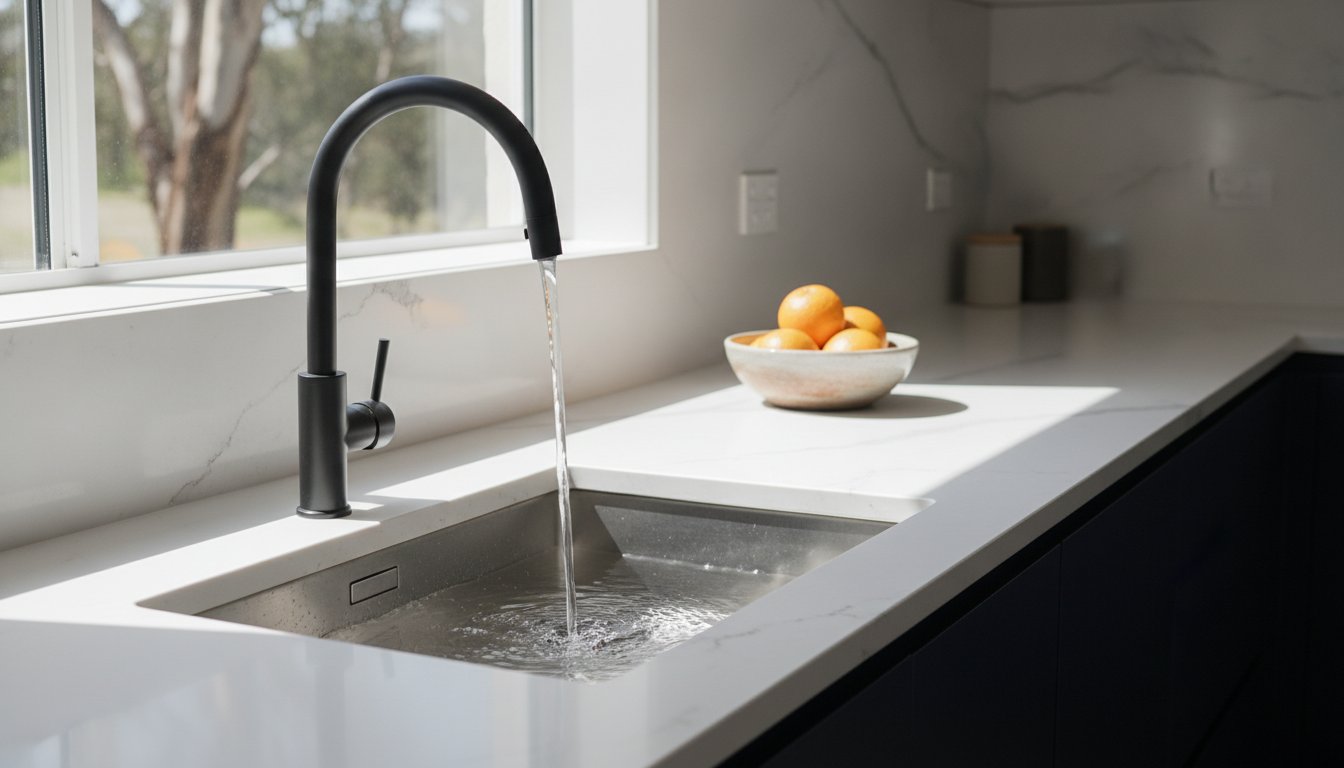
Prevent Clogged Drains: 2026 Homeowner's Guide
Imagine it is Friday night and your kitchen sink is suddenly a stagnant pool of murky water and old food scraps. It is disgusting, it smells, and you know an emergency plumber visit is going to cost a fortune. We know how frustrating a slow drain can be, but learning how to prevent clogged drains is the best way to stop these crises before they start. It is one of those household headaches that always seems to happen at the worst possible time, right?
You deserve a home that runs smoothly without the constant fear of a backup. This 2026 guide reveals the professional habits and proactive maintenance steps that will keep your plumbing flowing FAST and hassle-free all year long. We will show you exactly what never to put down the disposal, how professional hydro jetting acts as a total system reset, and the simple routines that ensure you never have to deal with a slow-draining shower again. We have seen it all in our 29 years of service, and we are ready to help you lower your long-term costs. Let's get your pipes back on track ASAP.
Key Takeaways
- Understand the science of "Fatbergs" and organic buildup to stop the cycle of clogs before they cause a nasty backup.
- Stop treating your kitchen sink like a trash can and learn why grease should never hit the drain, even with hot water.
- Master a simple 10-minute monthly maintenance routine to learn how to prevent clogged drains and keep your plumbing flowing FAST.
- Identify the "rebar and cement" of bathroom clogs, hair and soap scum, to keep your shower draining hassle-free all year long.
- Recognize when it is time for a professional "reset button" like hydro jetting to protect your home from expensive emergency repairs.
The Science of Stoppage: Why Drains Clog and How to Stop It
Your home's drains are under constant attack from everyday use. A clogged drain is not just a random accident; it is a calculated build-up of organic matter, minerals, and household debris. To keep your plumbing and drainage systems working correctly, you have to understand what is happening behind the walls. Learning how to prevent clogged drains starts with knowing that most blockages are living, growing obstacles that thrive on neglect.
One of the biggest threats to your pipes is the "fatberg." When fats, oils, and grease (FOG) go down the sink, they appear to be harmless liquids. Once they hit the cool pipes underground, they solidify into a waxy, concrete-like mass. This is often joined by biofilm. Biofilm is a sticky, bacterial slime that creates a magnetic-like surface for hair and lint. When these elements combine, they form a permanent bridge across your pipe. A slow drain is your pipes screaming for help. If you don't act now, you will face a FAST plumbing disaster later. Solve the issue while it is small to keep your home clean and hassle-free.
Common Culprits: The Big Three of Clogs
Kitchens and bathrooms face different enemies. You want to avoid those high-cost emergency visits, right? Most backups are caused by a few specific items that should never enter your pipes:
- Fats, Oils, and Grease (FOG): These coat pipe walls like plaque in an artery, catching every other piece of debris that follows.
- Hair and Soap Scum: In the bathroom, these bind together to create a "rebar" effect that is nearly impossible to flush away without professional help.
- "Flushable" Wipes: Despite the clever marketing, these do not break down. They snag on pipe joints and create massive sewer line obstructions.
The Impact of Pipe Material on Clog Formation
Pipe materials significantly impact how easily a clog forms. Older homes often have cast iron pipes. These develop a rough, rusted interior that catches hair and grease like sandpaper. Galvanized steel is even more dangerous; it corrodes from the inside out, narrowing the pipe diameter until a backup is inevitable. Modern PVC is much smoother, which helps debris slide through easily. However, even PVC needs regular flushing to remove mineral scale from hard water. Understanding your home's specific pipe type is a key part of knowing how to prevent clogged drains for the long term. Professional hydro jetting can act as a total system reset for any pipe material, ensuring your plumbing flows FAST and reliably all year long.
Kitchen Drain Defense: Beyond the Garbage Disposal
Your kitchen sink is the heart of your home, but it is not a trash can, right? Treating it like one is the fastest way to a flooded floor and a ruined evening. If you want to know how to prevent clogged drains, start by changing what you put down the sink. Most people think their garbage disposal is an invincible shredder. It isn't. It is a precision tool that requires specific care to stay hassle-free.
Grease is the ultimate kitchen villain. Never pour fats or oils down the drain. Some homeowners think running hot water helps grease flow away. It doesn't. Hot water just keeps the grease liquid long enough to travel deep into your pipes. Once it reaches the cooler sections of your plumbing, it solidifies and catches every other piece of food that follows. This creates a massive blockage far from the reach of a simple plunger. Always wipe greasy pans with a paper towel before washing them to keep your lines clear.
Garbage Disposal Myths Debunked
Don't believe everything you hear about disposals. Lemon peels might make your sink smell fresh, but they don't actually "clean" the blades. In fact, the fibrous rinds can get stuck in the mechanism. Starchy foods like pasta, rice, and potato peels are even worse. They expand when they hit water, turning into a thick, sticky paste that chokes your pipes. Eggshells and coffee grounds are another trap. They do not sharpen blades; instead, they settle in the trap and create a "sandcastle" effect that stops all water flow. To keep your disposal running FAST, always use cold water and feed it in small batches. If your disposal is already making strange noises, it might be time for a professional drain cleaning to prevent a total backup.
Proper FOG Disposal Habits
Managing Fats, Oils, and Grease (FOG) is a daily discipline that saves you money. Use the "Can and Cool" method. Pour excess cooking oil into an old jar or tin, let it solidify, and toss it in the trash. This simple habit keeps the "fatbergs" we discussed earlier from ever forming in your home. Be mindful of your dishwasher, too. It often shares a drain line with your kitchen sink. If you don't scrape your plates thoroughly, that grease builds up in the shared pipe over time.
While you manage your indoor habits, keep in mind that external factors can also impact your kitchen's performance. For example, understanding how tree roots clog drains can help you see why even perfect kitchen habits can be undermined by outside issues. Use high-quality mesh strainers for any sink without a disposal to catch small debris. Be proactive and keep your kitchen flowing ASAP. Consistency is the key to a reliable, clean home.
Bathroom and Laundry: Taming Hair, Soap Scum, and Lint
Bathroom clogs are a different beast than the kitchen grease we discussed earlier. In the shower, hair is the "rebar" of every blockage. It tangles, snags, and wraps around the internal components of your plumbing. Soap scum then acts as the "cement" that binds that hair to the pipe walls. This combination creates a solid, waterproof plug that is incredibly difficult to shift with a plunger. If you want to know how to prevent clogged drains in the bathroom, you have to stop this duo before they ever meet. It is about being proactive before the water starts pooling around your ankles, right?
Don't forget the toilet. Even if a package says "flushable," those wipes do not dissolve like toilet paper. They stay whole, catch on hair in the sewer line, and lead to massive backups that can affect your entire home. It is a disaster waiting to happen. Keeping these out of your system is the only way to ensure your plumbing stays FAST and reliable. We see these "flushable" wipe clogs every day, and they are never a quick fix.
Mechanical Barriers for Hair Prevention
The best defense is a physical one. Mesh screens are excellent for catching fine hair, while "mushroom" style catchers fit inside the drain to trap strands out of sight. You must clean your hair catcher after every single shower. It takes five seconds, but it saves you from hours of stress later. If you are washing a pet, use a separate wash basin instead of the tub. Pet fur is thick and oily. It will choke your bathroom plumbing ASAP if it isn't caught by a high-quality strainer first. These simple mechanical barriers are your first line of defense in a clean, hassle-free home.
Appliance Maintenance: Washing Machines and Dishwashers
Most homeowners forget that their appliances impact the whole drainage system. Laundry lint is a leading cause of whole-home backups, yet it is rarely discussed. As your washing machine drains, it pushes thousands of tiny synthetic fibers into your pipes. These fibers don't just wash away; they settle in the line and catch other debris. Install a lint trap on your discharge hose to catch these fibers before they enter your main stack.
Your dishwasher needs similar attention. A clogged dishwasher filter allows food particles to enter the shared kitchen and laundry lines, creating a bottleneck that affects multiple rooms. We also recommend switching to liquid detergent over powder. Powdered soaps often don't dissolve completely in cooler cycles, leaving behind a gritty sediment that builds up over time. These small appliance habits are essential steps in learning how to prevent clogged drains for the long term. Keep your system flowing FAST by treating your appliances with the same respect as your sinks.

Proactive Maintenance: The Homeowner’s Monthly Prevention Routine
Prevention is a discipline. It takes just 10 minutes a month to protect your home from the disgusting backups and high costs we have discussed. If you want to know how to prevent clogged drains for good, you must move beyond reactive plunging. Consistency is the secret. A small time investment today saves you hours of stress and expensive emergency surcharges later. You want a home that stays clean and functional all year long, right?
Many people rely on baking soda and vinegar to clear their lines. While this mixture is a great natural deodorizer, it is not a heavy-duty de-clogger. It lacks the power to break through solidified grease or tangled hair. For real results, you need a routine that actually removes the biofilm and debris sitting in your pipes. Start by committing to a monthly "reset" for every drain in your house. It is the fastest way to ensure your plumbing flows ASAP.
The 5-Step Monthly Drain Flush
Follow this simple checklist to keep your system in peak condition. These steps are designed to be fast and hassle-free:
- Step 1: The Hot Water Flush. Boil a large kettle of water and pour it slowly down your kitchen and bathroom drains. This helps melt away any minor grease build-up before it hardens.
- Step 2: Apply Enzymes. Use a professional-grade enzyme cleaner. These "good" bacteria eat away organic biofilm without damaging your pipes.
- Step 3: Inspect P-Traps. Look under your sinks. Check all P-traps for visible leaks or signs of slow drainage that might indicate a growing problem.
- Step 4: Scour the Disposal. Run your garbage disposal with a handful of ice cubes. The hard ice scours the internal chamber and knocks loose any stubborn food particles.
- Step 5: Final Rinse. Run cold water for 30 seconds to flush any remaining debris out to the main sewer line.
Chemical vs. Enzyme Cleaners: Protecting Your Pipes
There is a hidden cost to using caustic chemical cleaners. Products like Drano granules or "crystal" style openers generate intense heat to melt clogs. This heat can actually warp or thin PVC pipes and cause joint failure over time. We have seen 29 years of damage caused by these harsh chemicals. They are a temporary fix that creates a permanent plumbing emergency.
In contrast, enzyme cleaners are the professional choice. They use biological action to digest clogs safely. They don't thin your pipes or harm the environment. Learning how to prevent clogged drains means choosing tools that protect your infrastructure. If your drains are still sluggish after a monthly flush, do not reach for the chemicals. Instead, schedule a professional drain inspection to solve the root cause before it becomes a crisis. We treat your home like our own, ensuring a clean and reliable result every time.
When Prevention Fails: Professional Solutions for Permanent Flow
Sometimes, even the most disciplined routine can't stop a deep-seated issue. You've learned the best habits for how to prevent clogged drains by managing grease and hair, but older pipes or external environmental factors can still cause trouble. When you notice multiple slow drains, hear gurgling in the walls, or smell persistent sewer odors, your prevention efforts have likely been bypassed. In these moments, you need a solution that is both professional and immediate. You want the problem solved correctly the first time so you can get back to your life, right?
When a backup starts, every second counts. Our 1-minute callback guarantee ensures that you aren't left waiting while your home's safety is at risk. Speed is essential to minimize damage and lower your long-term repair costs. A professional drain cleaning does more than just poke a hole in a clog. It resets your entire system to a like-new condition. We bring 29 years of experience to your door, and we always treat your home like our own with a total clean-up guarantee. We solve the crisis FAST and hassle-free.
Advanced Diagnostics: Video Camera Inspections
We don't believe in guessing when it comes to your plumbing. High-definition video camera inspections allow us to see the exact cause of a blockage without digging up your yard or tearing into your walls. These cameras identify hidden issues like root intrusions or structural pipe collapses that no amount of monthly flushing can fix. By seeing the problem clearly, we can build a custom plumbing maintenance plan tailored to your home's specific needs. It is the most accurate way to ensure your pipes remain clear for years to come.
Hydro Jetting: The Ultimate Prevention Tool
While a simple snake can clear a path, hydro jetting is the ultimate reset button for a prevention-first home. This process uses high-pressure water to scour the interior pipe walls, removing 100% of the grease, scale, and debris build-up we've discussed. It is far superior to traditional snaking because it leaves the pipes completely clean rather than just clearing a small opening. If your goal is to master how to prevent clogged drains, a professional hydro jetting session every few years is the best investment you can make. Contact Fast Plumbing today for a system reset that is FAST and reliable. We are available 24/7 to keep your home running smoothly ASAP.
Take Control of Your Home’s Flow Today
Maintaining a hassle-free home doesn't have to be a full-time job. By mastering how to prevent clogged drains through consistent monthly flushes and strict kitchen habits, you stop plumbing crises before they start. Remember, your drains aren't trash cans. Keep the grease out of the kitchen sink and the hair out of the shower tub to ensure your pipes stay FAST and reliable all year long. You want a home that runs smoothly without the constant fear of a disgusting backup, right?
If your system already feels sluggish, don't wait for a total disaster to strike. With 29+ years of master plumbing expertise, we handle everything from advanced video diagnostics to high-pressure hydro jetting. We provide 24/7 emergency service and a clean-up guarantee where we treat your property like it's our own. Get your pipes back to like-new condition ASAP. Need a professional drain reset? Contact Fast Plumbing for 24/7 service!
You have the tools and the knowledge to protect your pipes. Start your new maintenance routine today and enjoy the peace of mind that comes with a perfectly flowing, clean home.
Frequently Asked Questions
Are 'flushable' wipes actually safe for my drains?
No, "flushable" wipes are never safe for your plumbing system. Unlike toilet paper, these wipes don't dissolve in water. They catch on pipe imperfections and snag other debris, eventually creating a massive blockage in your sewer line. If you want to know how to prevent clogged drains, keep all wipes out of the toilet and in the trash. It is a simple step that avoids a messy, high-cost emergency.
Will pouring boiling water down my sink damage my PVC pipes?
Boiling water can absolutely damage PVC pipes and melt the glue at the joints. While it is effective for melting grease in metal pipes, the high temperature often exceeds the heat rating for modern plastic plumbing. Use hot water from your faucet instead. It is warm enough to help with routine maintenance without risking a structural failure in your drainage system.
How often should I have my drains professionally cleaned?
You should schedule a professional drain cleaning every 18 to 24 months to keep your system in peak condition. This proactive approach acts as a total reset for your pipes, removing the mineral scale and biofilm that daily habits can't reach. Investing in regular maintenance is the best way to avoid the high cost of emergency plumber visits and ensures your home stays hassle-free.
Why does my kitchen sink smell even if it isn't clogged?
Foul odors are usually caused by bacteria growing on a layer of biofilm or decaying food particles stuck in the garbage disposal. Even if water is flowing, this organic build-up emits a "rotten egg" smell that can fill your kitchen. Use a professional-grade enzyme cleaner to digest this matter safely. It is the fastest way to solve the odor and keep your sink smelling fresh.
Can I use a wire hanger to clear a bathroom clog myself?
No, you should avoid using a wire hanger because it can easily scratch your pipes or get stuck in the P-trap. These scratches create a rough surface that catches hair and soap scum, making future clogs even more likely. If you have a shallow hair clog, use a flexible plastic zip tool instead. It is a safer, non-technical way to clear the drain without causing permanent damage.
What is the best type of drain strainer for a bathtub?
A stainless steel mesh screen or a silicone "mushroom" style catcher is the best choice for a bathtub. These strainers catch hair and soap scum before they ever enter the pipe. They are easy to install and even easier to clean. Make it a habit to empty the strainer after every shower to ensure your bathroom plumbing flows FAST and reliably every single day.
Does a garbage disposal really need to be cleaned with ice?
Yes, running a handful of ice cubes through your disposal is an excellent way to knock loose stubborn debris. The hard ice scours the internal grinding chamber and the underside of the impellers where food often hides. It doesn't sharpen the blades, but it does keep the mechanism clean and balanced. This simple 10-second routine is a key part of how to prevent clogged drains in the kitchen.
What should I do if multiple drains in my house are slow at once?
You must call a professional plumber immediately if multiple drains are slow at the same time. This is a clear sign of a blockage in your main sewer line rather than a single fixture. If you continue to use water, it will eventually back up into your lowest drains, like the shower or basement floor. Act ASAP to protect your home from a major sewage crisis.
