Preventing Tree Roots in Sewer Lines: The Ultimate 2026 Protection Guide
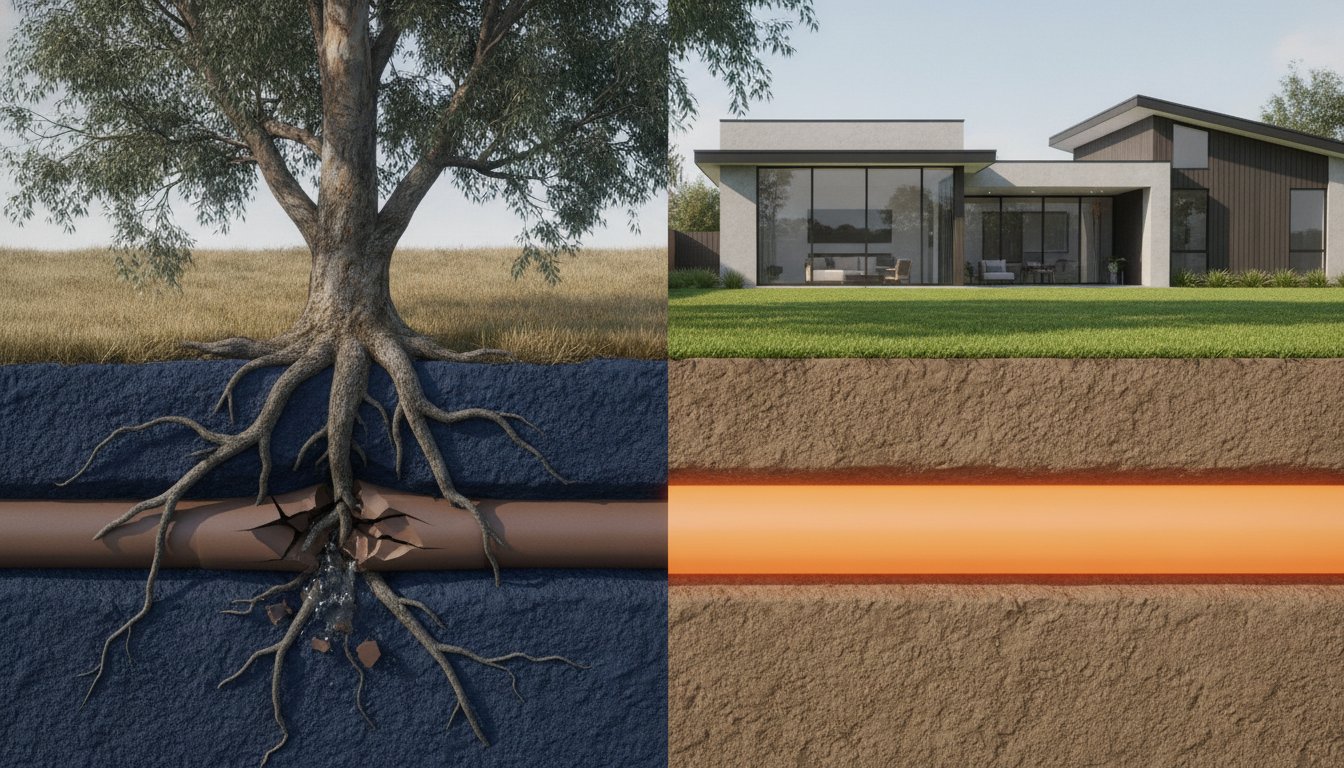
What if your prize-winning oak tree is actually a silent predator hunting for your sewer line? It sounds dramatic, but roots are naturally programmed to seek out the moisture and nutrients leaking from your pipes. You want a lush, green yard, but you definitely don't want the nightmare of a massive sewage backup or a destroyed driveway. We understand that anxiety. It's a common struggle for homeowners who want to protect their property value while keeping their landscaping intact. This guide will show you the exact steps for preventing tree roots in sewer lines so you can stop worrying and start proactive protection.
You deserve a plumbing system that works perfectly without constant stress. We've compiled the ultimate 2026 strategy to safeguard your home. You'll learn about physical root barriers and EPA-regulated chemical preventatives like copper sulfate that stop growth cold. We also preview the latest trenchless technologies and provide a clear maintenance schedule to keep things flowing FAST. By the end, you'll know exactly which trees are sewer-safe and how to keep your pipes root-free for good. It's time to get your plumbing back on track, hassle-free.
Key Takeaways
- Understand why roots are attracted to your pipes and how they track microscopic moisture leaks to enter your sewer system.
- Discover the most effective methods for preventing tree roots in sewer lines using physical geo-textile barriers and EPA-regulated chemical deterrents.
- Master the "10-Foot Rule" for landscaping to ensure your beautiful trees never compromise your home's underground infrastructure.
- Learn how proactive video camera inspections and hydro jetting can identify and blast away "hair" roots before they cause a total backup.
- Explore modern trenchless solutions like CIPP lining that create a seamless, root-proof pipe without destroying your yard.
Understanding Why Tree Roots Target Your Sewer Lines
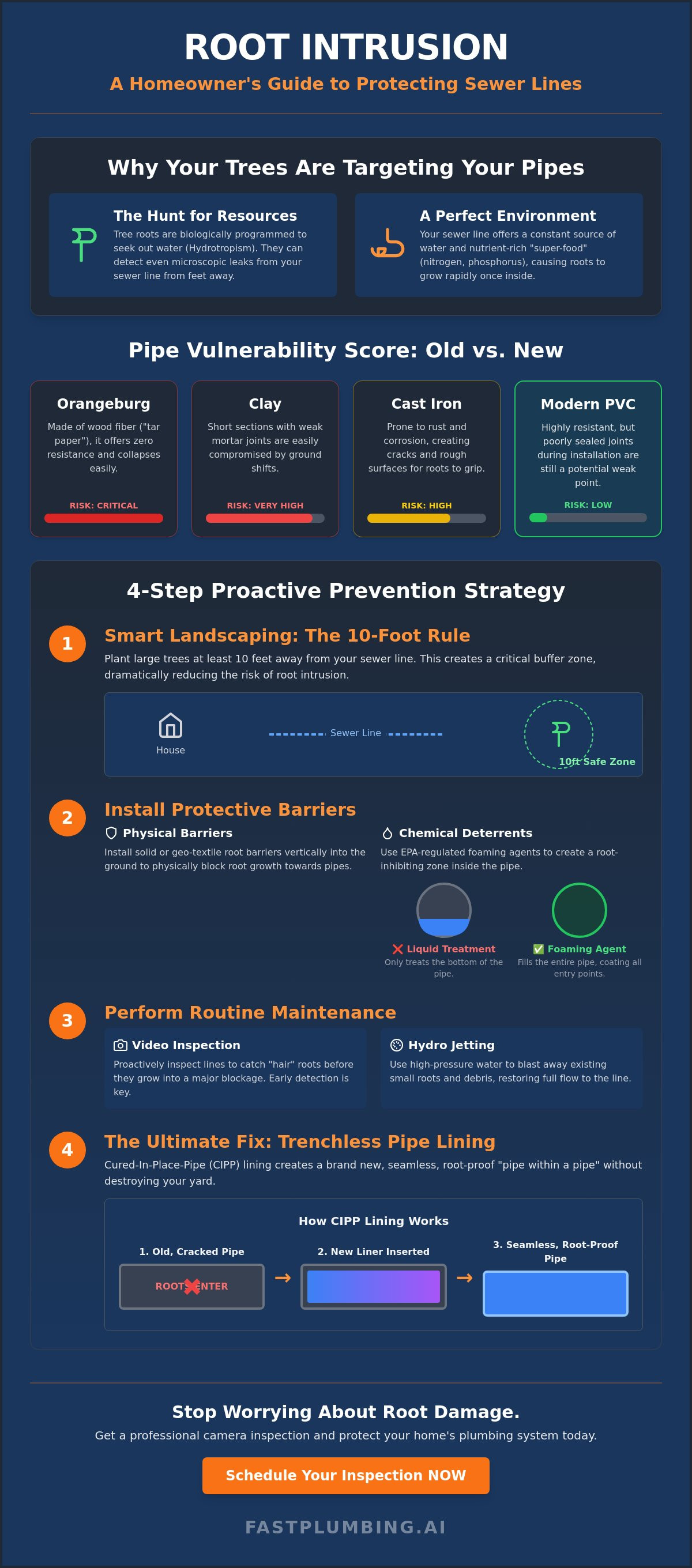
Tree roots aren't trying to ruin your day; they're just following their survival instincts. Hydrotropism is the biological process of roots moving toward water. Your sewer line is essentially a massive, underground watering can that never runs dry. Even the smallest pinhole leak creates a "vapor trail" of moisture in the soil. Roots detect this trail from feet away and grow toward the source with laser-like precision. They are relentless. Once they find that moisture, they won't stop until they've found a way inside.
Once they find a crack or a loose joint, they don't just want the water. Sewage is packed with nitrogen, phosphorus, and other nutrients that act as "super-food" for trees. A single hair-like rootlet enters the pipe, finds this nutrient-rich environment, and begins to expand rapidly. As it thickens, it exerts incredible pressure on the pipe walls. This expansion can eventually crush even heavy-duty cast iron pipes from the inside out. Understanding this biological drive is the first step in preventing tree roots in sewer lines before they cause a total system failure.
Vulnerable Pipe Materials: Clay, Orangeburg, and Cast Iron
Older homes often have pipes that are practically an open invitation for roots. Clay pipes are the most common victims. They were installed in short sections with bell-and-spigot joints that were often sealed with nothing more than mortar or rubber gaskets. As the ground shifts, these joints fail. This leaves a wide-open door for thirsty trees. Then there's Orangeburg pipe. Made of bituminized wood fiber, it's essentially hardened cardboard. It offers zero resistance and often collapses under the weight of root intrusion. Even cast iron isn't safe. Over decades, rust creates pits and cracks. These rough surfaces give roots a perfect place to latch on and begin their destructive work.
Can Roots Penetrate Modern PVC Pipes?
Many homeowners believe plastic pipes are completely root-proof. That's a dangerous myth. While the pipe walls themselves are solid, the system is only as strong as its weakest link. Shifting soil or improper bedding during installation can stress the pipe, causing joints to pull apart slightly. If the installer didn't use high-quality solvent welding to create a chemical bond between the pipe and the fitting, roots will find a way in. Proper Routine Maintenance and professional installation are vital. A seamless barrier is your best defense when preventing tree roots in sewer lines. You need a system that stays watertight for decades, not just a few years. We can help you solve this problem FAST and keep your yard looking great.
Chemical and Physical Barriers for Long-Term Prevention
Stop the invasion before it starts. You don't have to wait for a disaster to take control of your plumbing. Effective protection involves a two-pronged approach: chemical deterrents that stop roots inside the pipe and physical shields that block them from the outside. Implementing these strategies is the most reliable way of preventing tree roots in sewer lines without sacrificing your beautiful yard. It's about being proactive, not reactive. You want a solution that works 24/7 so you don't have to worry about the next heavy rain or a sudden backup.
Chemical treatments are often the first line of defense. Copper sulfate is a classic choice. It's affordable and effective at killing the specific root ends it touches. However, it's a liquid that only treats the bottom of the pipe. For 2026, many homeowners are switching to Dichlobenil. In Australia, these products are strictly regulated to ensure they are safe for the environment and your property. When applied as a foam, it expands to fill the entire diameter of the sewer line. This is a massive advantage. Since most roots enter through joints at the top or sides of the pipe, a standard liquid just flows right past them. Foam coats every square inch, creating a "no-grow" zone that lasts for months. If you suspect an issue, getting a professional sewer line inspection can help determine which treatment is right for your home.
The Role of Root-Inhibiting Foams
Foaming agents are the gold standard for internal prevention. They act like a specialized growth regulator, approved for use in AU to protect infrastructure without killing the whole tree. The best time to apply these is during the spring or autumn when roots are most active. You want to coat the entry points while the tree is searching for nutrients. Don't worry about the tree's health. These chemicals are designed to kill only the roots inside the pipe. The rest of your landscaping stays perfectly safe and vibrant.
Physical Trench Barriers and Liners
If you're planning new landscaping or a construction project, physical barriers are your best bet. High-density polyethylene (HDPE) or metal shields can be installed vertically in a trench between the tree and the sewer line. You should aim for a depth of at least 600mm to 900mm to meet common Australian landscaping standards. For even longer protection, consider "Bio-Barriers." These are geo-textile fabrics embedded with nodules that prevent root tip cell division for 15 years or more. Another option is the "Air-Gap" method. By creating a gravel-filled trench, you discourage roots from crossing because they won't find the soil and moisture they need to survive. We can help you solve these challenges FAST so you can enjoy your home hassle-free.
Smart Landscaping: Planting with Sewer Safety in Mind
Don't let your garden become a liability. Your landscaping choices today determine your plumbing bills tomorrow. The most effective strategy for preventing tree roots in sewer lines starts before you even dig a hole. Follow the "10-Foot Rule" religiously. Never plant a large tree within 10 feet of your main sewer line. For massive species, double that distance. It's about giving your pipes breathing room. You want a beautiful yard, but you don't want it at the expense of your home's foundation.
Some trees are simply more aggressive than others. You must avoid high-risk species like Willow, Silver Maple, and Poplar near your utilities. These trees have "water-seeking" root systems that travel great distances to find moisture. They're fast-growing and relentless. The 'Safe Zone' for planting is the area outside the reach of a tree's mature canopy spread plus an additional buffer of ten feet. If you respect this boundary, you'll significantly lower the risk of future intrusion. It's a simple rule that saves you thousands in the long run.
Evaluating Your Current Landscape
Do you know exactly where your sewer line sits? Don't guess. Check your property surveys or call in professional locating services to mark the path. Look for warning signs in your yard right now. Is there a patch of grass that's significantly greener or grows faster than the rest? Your trees might already be "hunting" your pipes. If a high-risk tree is sitting directly over your line, consider removal. It's a tough choice, but it's much cheaper than a full sewer replacement. We can help you assess the situation FAST and provide a clear plan of action.
Top 5 Sewer-Safe Trees and Shrubs
You can still have a lush landscape without the risk. Choose species with slower growth and less invasive roots. The Amur Maple and Serviceberry provide incredible color without the plumbing drama. Japanese Maples are another fantastic choice because their shallow roots are less likely to dive deep for your pipes. If you must have greenery directly over a sewer route, use potted plants or raised beds. This adds aesthetic value while preventing tree roots in sewer lines from ever becoming a problem. It's the ultimate way to keep your home safe and your yard looking great, hassle-free.
Routine Maintenance: Stop Roots Before They Block the Line
Don't wait for the water to start rising in your shower. By the time you see a backup, the damage is already done. Proactive care is the only way to stay in control of your home’s health. We believe in staying ahead of nature. Routine care is the most cost-effective method for preventing tree roots in sewer lines. It turns a potential emergency into a simple, scheduled task. You want peace of mind, right? It starts with a clear plan and a little bit of attention to detail.
Listen to your home. It talks to you. That strange gurgling sound after you flush or a sink that drains just a second too slow are early distress signals. Roots act like a filter. They catch toilet paper and grease, creating a slow-moving dam before the total blockage happens. Keep a simple plumbing log. Note the date of every treatment and inspection. This record is a goldmine for home value. It proves to future buyers that you’ve treated the property like your own and kept the infrastructure in top shape.
The Power of Video Camera Inspections
Stop the guesswork. You need to see the truth. A high-definition video sewer camera inspection takes the mystery out of your plumbing. We can see exactly where those tiny root "fingers" are starting to creep through joints. It’s about precision. We pinpoint the location FAST, saving you from unnecessary digging. This footage also serves as a "health certificate" for your pipes. It's perfect for insurance claims or showing potential buyers that your lines are clear and well-maintained.
Hydro Jetting: The Non-Invasive Deep Clean
Forget old-school snaking. Snaking just pokes a small hole through a clog. To truly protect your pipes, you need professional hydro jetting. This isn't a simple drain snake; this is heavy-duty protection. We use a 4,000 PSI blast of water to scour the pipe walls clean. It removes the grease and debris that roots love to latch onto. Think of it as a power wash for your sewer line. Make this part of your regular plumbing maintenance every two years. It’s the most effective way to blast away "hair" roots before they thicken into pipe-crushing monsters, making it a cornerstone of preventing tree roots in sewer lines for the long haul.
Ready to secure your pipes and get ahead of the problem? Schedule your FAST camera inspection today to keep your home running hassle-free.
Professional Solutions for Root-Proof Sewer Lines
Sometimes even the most diligent maintenance isn't enough to stop a determined root system from finding its way into your home. If your pipes are already compromised, you need a permanent, structural solution to protect your property. Professional intervention is the ultimate way of preventing tree roots in sewer lines from ever returning. Modern technology allows us to fix the problem from the inside out. You don't have to choose between your beautiful oak tree and a working toilet. We can provide a root-proof barrier that lasts for decades, giving you total peace of mind. It's about solving the problem for good, right?
A professional diagnosis is the only way to ensure a truly hassle-free long-term fix. We don't guess; we use precision technology to see exactly what's happening underground. By identifying the specific points of failure, we can recommend the most efficient repair method that saves you time and money. Whether it's a minor joint leak or a major collapse, getting an expert on-site FAST is the best way to prevent a minor issue from turning into a total sewer catastrophe.
Trenchless Technology: The Modern Standard
Trenchless sewer repair has completely changed the industry. In the past, fixing a sewer line meant digging a massive, destructive trench through your yard, driveway, or sidewalk. Today, we use Cured-in-Place Pipe (CIPP) lining. This process involves inserting an epoxy-resin liner into your existing pipe. Once it cures, it creates a smooth, jointless interior that roots simply cannot penetrate. There are no seams for them to find. Another powerful option is pipe bursting. We pull a new, seamless HDPE pipe through the old one, literally bursting the old clay or cast iron out of the way. Both methods are incredibly efficient. We can often get your sewer back online in a single day. When you compare plumbing repair costs, trenchless is often the smarter move because it eliminates the need for expensive landscaping or driveway restoration.
Why Choose Fast Plumbing, LLC for Sewer Protection?
Why trust us with your home? We understand that a sewer issue feels like a crisis. Our goal is to lower your blood pressure immediately with professional, reliable service. We provide an expert diagnosis using the latest video technology to find threats FAST. You won't have to deal with a mess, either. Our "Clean-Up Like It's Their Own" promise means we treat your property with the highest level of respect. We work with a military-like focus on punctuality to ensure we are there when we say we will be. Sewer backups don't wait for business hours, so we offer 24/7 support to handle emergencies as they happen. We bring professional-grade expertise to your door: fast and hassle-free. Don't wait for a backup to ruin your week. Preventing tree roots in sewer lines starts with a single call. Contact Fast Plumbing, LLC now for a preventive sewer inspection!
Secure Your Home’s Future Today
You now have the complete toolkit to keep your plumbing safe and your yard thriving. From understanding the biological drive of roots to implementing modern trenchless seals, the power is in your hands. Proactive care is the only reliable way of preventing tree roots in sewer lines before they cause a total system collapse. Don't let a silent underground predator turn into a loud, expensive household disaster. You want a home that runs smoothly without any messy surprises, right? We make that happen every single day.
Fast Plumbing, LLC brings 29+ years of master plumbing experience to every job. Our licensed and insured professionals treat your property with the highest respect; we clean up like it's our own. We even provide a 1-minute callback guarantee because we know your time is valuable. Get the answers you need FAST and keep your yard beautiful. Schedule your FAST sewer camera inspection today! You deserve a hassle-free home, and we are ready to help you protect it for the long haul.
Frequently Asked Questions
Will copper sulfate kill my tree if I put it in the sewer line?
No, it won't kill your entire tree. Copper sulfate only kills the specific root ends it comes into contact with inside the pipe. It acts as a localized deterrent that stops growth at the entry point without harming the main plant. Just remember to flush it only down the toilet to avoid damaging thin metal sink drains. It’s a safe, targeted way to protect your pipes.
How often should I have my sewer lines inspected for roots?
Plan for a professional inspection every one to two years. If your home has legacy clay pipes or many large trees nearby, an annual check is the best strategy for preventing tree roots in sewer lines. Regular monitoring stops small "hair" roots from becoming a massive, expensive blockage. It gives you peace of mind and keeps your system running FAST.
Can I use rock salt to stop tree roots in my pipes?
You can use rock salt, but it is not the most effective long-term solution. It works by dehydrating roots, but it doesn't provide the comprehensive coverage of a foaming chemical. Foams are superior because they expand to coat the top of the pipe where most roots enter. It's about solving the problem FAST and ensuring the entire pipe diameter is protected.
What are the first signs that tree roots have entered my sewer line?
Listen for frequent gurgling sounds coming from your toilets or floor drains. You might also notice that your sinks and tubs are draining slower than usual. In your yard, look for patches of grass that stay unusually green and lush even during a dry spell. These signs often indicate a moisture leak that has attracted thirsty roots to your plumbing.
Is hydro jetting safe for older clay sewer pipes?
Hydro jetting is generally safe for clay pipes, provided they haven't already collapsed or cracked significantly. We always start with a video camera inspection to assess the pipe's structural integrity before we begin. If the clay is stable, the high-pressure water will safely blast away roots without damaging the pipe walls. It’s a professional clean-up that's both thorough and reliable.
How much does it cost to remove tree roots from a sewer line professionally?
Professional removal costs depend on the depth of the roots and the cleaning method required. Mechanical snaking is a quick fix, while hydro jetting offers a more permanent solution. Since we value your time, we provide clear estimates after a camera inspection. This ensures you can make an informed decision without any surprises. We focus on getting the job done right.
Does homeowners insurance cover damage caused by tree roots in sewer lines?
Most standard homeowners insurance policies do not cover damage caused by tree roots. Insurance companies typically view root intrusion as a preventable maintenance issue rather than a sudden accident. You should call your agent ASAP to ask about a specific sewer backup rider or endorsement. This extra layer of protection can save your wallet from unexpected and heavy repair bills.
Are there any 'root-proof' trees I can plant near my house?
There is no such thing as a completely root-proof tree, but some species are much safer than others. Stick with slow-growing varieties like Japanese Maples and Serviceberries. Choosing these species is a smart step in preventing tree roots in sewer lines while still enjoying a beautiful landscape. Avoid "water-seekers" like Willows and Silver Maples, as they will travel long distances to find your pipes.
