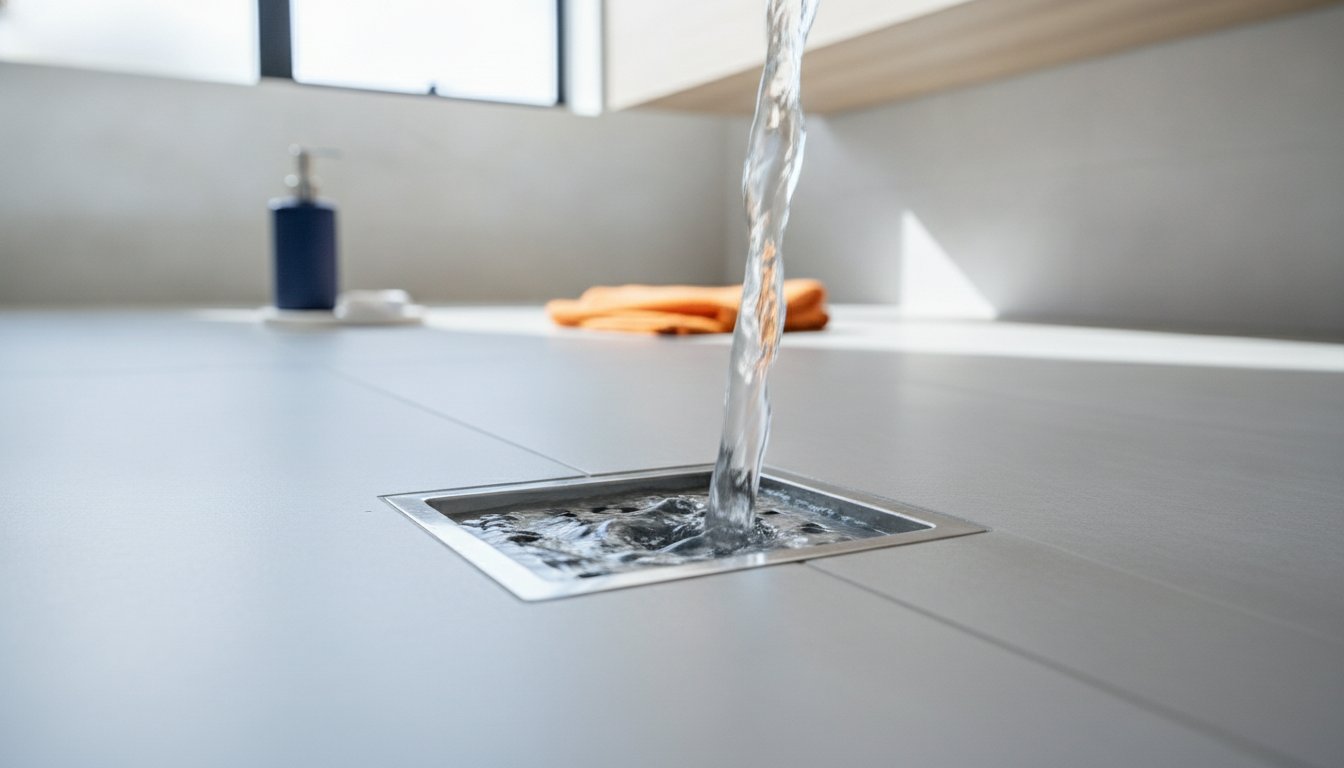
Slow Draining Shower Fix: A FAST Guide to Clearing Blockages
You are standing in three inches of lukewarm, soapy water while the drain just stares back at you. It is more than just a morning annoyance. It is a dirty, stagnant reminder that something is wrong deep in your plumbing. We understand the frustration of a bathroom that feels unsanitary because of a stubborn clog. You need a slow draining shower fix that actually works without the fear of hidden pipe damage or a massive emergency service bill.
It is easy to worry that a small backup is the start of a major disaster, but most blockages are manageable if you act FAST. We promise to help you identify, troubleshoot, and solve the problem using professional-grade DIY steps and expert tips. You will learn how to clear the water flow yourself and keep your bathroom spotless. We will also show you how to spot the signs that it is time to call in a professional for a video camera inspection so you never waste time or money on the wrong solution. Let's get your shower running perfectly again ASAP.
Key Takeaways
- Identify the "glue" behind your clog, like hair and soap scum, to stop blockages before they start.
- Master a professional-grade slow draining shower fix using simple manual tools and boiling water flushes to clear debris FAST.
- Learn why caustic chemical cleaners do more harm than good and when to switch to a hand auger for deeper clogs.
- Recognize emergency red flags, such as foul odors or multiple slow drains, that signal a serious main sewer line issue.
- Discover how professional Hydro Jetting and video inspections can restore your pipes to like-new condition ASAP.
Why is My Shower Draining So Slow? Identifying the Culprit FAST
Stop guessing why your feet are submerged and start identifying the real culprit. While hair is the primary physical barrier in most shower drains, it usually needs a partner to create a total blockage. It acts like a structural net, catching soap, skin cells, and debris that would otherwise wash away. Finding the right slow draining shower fix starts with understanding what is actually happening inside that dark pipe. We see these issues every day, and most clogs fall into a few specific categories.
Common culprits include:
- Hair accumulation: Long strands twist together to form a nearly impenetrable mat that traps everything else.
- Soap scum and body oils: These act as the "glue" that binds hair and debris together into a thick sludge.
- Mineral scale: This is the invisible threat that narrows the diameter of your pipes over time.
- Hidden debris: Small plastic items like razor caps or children's toys often fall into the trap and become the foundation for a massive clog.
Hidden debris is often the most surprising culprit. A small razor cap, a piece of plastic packaging, or a child's toy can slip past the strainer during a busy morning. Once these items reach the P-trap, they act as an anchor. They don't move; instead, they provide a perfect surface for hair and soap scum to latch onto. If your drain went from perfect to slow overnight, a physical object is likely the cause.
The Science of the "Soap Scum" Clog
When you use traditional bar soaps, the alkaline fats react with the minerals in your water. This creates a sticky, waxy film that coats the interior of your plumbing. This film doesn't just sit there. It actively traps hair and organic matter, creating a thick sludge that resists simple rinsing. Biofilm is a complex colony of bacteria and organic matter that thrives on these sticky surfaces, creating a thick, slimy layer that significantly slows water flow. Many people try to dissolve this with chemical and enzymatic drain cleaners, but understanding the chemical composition of the clog is the first step to a permanent solution.
How Hard Water Narrows Your Pipes Over Time
Hard water contains high levels of calcium and magnesium. As water flows through your pipes, these minerals leach out and bond to the pipe walls. This process is called scaling. Over several years, this scale builds up in layers, effectively narrowing the pipe's diameter. It's like cholesterol in an artery; eventually, even a small amount of hair can trigger a complete backup. These mineral clogs are incredibly dense and often impossible to clear with basic DIY tools. To check if this is your problem, look at your showerhead. If you see white, crusty buildup on the nozzles, you likely have the same scale narrowing your drain pipes. Identifying this early is the key to a lasting slow draining shower fix that prevents future emergencies.
5 FAST Steps to Fix a Slow Draining Shower
Do you want your bathroom back to normal? Start here. We follow a logical, step-by-step process that prioritizes speed and cleanliness. Before you reach for heavy tools, try these professional-grade DIY methods. Each step is designed to be a slow draining shower fix that you can complete in minutes. Keep a small trash bag and a pair of gloves nearby to handle debris immediately. This keeps your space sanitary and hassle-free, right?
- Step 1: Manually remove surface debris. Remove the drain cover or strainer and pull out any visible hair clumps.
- Step 2: Perform a boiling water flush to melt away soap-based "glue."
- Step 3: Use a baking soda and vinegar reaction to break down organic matter.
- Step 4: Apply a cup plunger to create pressure and dislodge deeper blockages.
- Step 5: Deploy a plastic "zip" tool to hook hair clogs that are just out of reach.
The Boiling Water Flush: The Fastest First Step
This is the most effective way to handle clogs caused by body butters, conditioners, and oils. Boil a large pot of water and pour it down the drain in two or three slow stages. The heat melts the waxy soap scum that binds hair together. However, you must check your pipe material first. Never use boiling water if you have PVC pipes. The high temperature can soften the plastic and damage the seals. If you have metal pipes, this is a safe and immediate solution. For more expert advice from Bob Vila, always ensure you pour steadily to avoid splashing or cracking cold porcelain fixtures.
Natural Chemical Reactions: Vinegar and Baking Soda
Forget harsh chemicals that can eat through your plumbing. Use a natural "volcano" reaction instead. Pour 1/2 cup of baking soda followed by 1/2 cup of white vinegar down the drain. Cover the drain with a stopper or a heavy rag to force the reaction downward. The fizzing action is mechanical. The expanding bubbles physically push against the clog to loosen it from the pipe walls. Let the mixture sit for at least 15 minutes before rinsing with hot tap water. This method is safe, cheap, and very effective for organic blockages.
If the water still lingers after these steps, your slow draining shower fix might require more force. A standard cup plunger can often do the trick. Ensure there is enough standing water to cover the rim of the plunger to create an airtight seal. Give it several vigorous vertical pumps. If the clog remains stubborn, it might be time to consider a professional drain cleaning service to clear the line ASAP. Finally, use a plastic zip tool for shallow hair clogs. These inexpensive, barbed strips are perfect for grabbing hair mats located just past the strainer without making a mess of your bathroom.
Advanced DIY: Using Tools for Stubborn Blockages
If surface-level solutions fail, you need a more powerful slow draining shower fix. Moving beyond the basic zip tool requires a bit more precision and the right equipment. One effective, non-invasive trick is the wet/dry vac method. Create a tight seal between the vacuum hose and the drain using a wet rag. Turn the vacuum to the "liquid" setting and let the suction pull the clog up and out. This is often cleaner than pushing debris deeper into your system. It is a smart way to solve the problem without making a mess, right?
For clogs located deep in the P-trap, manual removal is the most definitive solution. This involves accessing the plumbing through an access panel or from below the floor. While it is a messy job, physically clearing the "U" bend of the trap ensures the blockage is gone for good. Always keep a bucket and towels ready to manage any spills. We treat every home with respect, and you should do the same for your own space by prioritizing a clean workspace. If you aren't comfortable opening your pipes, it is time to call in the experts ASAP.
How to Snake a Shower Drain Without Damaging Pipes
A hand auger, or drain snake, is your best friend for stubborn hair clogs that live deep in the line. Insert the cable slowly into the drain until you feel resistance. Do not mistake a pipe curve for a clog; take your time to feel the difference. Once you reach the blockage, crank the handle clockwise to snag the debris firmly. Pull the cable back slowly to bring the hair mat to the surface. You must never force a snake if it hits a hard stop because you could puncture or crack your pipes.
Why "Liquid Plumbers" Can Do More Harm Than Good
It is tempting to pour a bottle of caustic cleaner down the drain and walk away. Don't do it. These chemicals rely on intense heat to dissolve organic matter. That same heat can soften or deform your PVC pipes, leading to leaks that are much more expensive to fix. If the chemical fails, it leaves a pool of toxic liquid in your pipes. This creates a massive safety risk for any professional who has to come in and solve the problem later. Consistent plumbing maintenance is a much safer and more reliable way to keep your water flowing freely than relying on harsh, pipe-damaging chemicals. Get a slow draining shower fix that lasts without risking your home's infrastructure.

When the Slow Drain is a Major Emergency Red Flag
Is your shower still holding onto dirty water after you have tried every DIY trick? Stop. Sometimes a slow draining shower fix requires more than a plunger or a hand snake. You need to recognize when a simple clog has escalated into a full-blown plumbing crisis. Ignoring these red flags can lead to expensive property damage and unsanitary living conditions. We want to help you lower your stress by identifying the real problem FAST. You want to avoid a total sewage backup in your home, right?
Watch for these critical warning signs that the problem is deeper than your shower drain:
- Multiple slow drains: If your bathroom sink and toilet are also sluggish, the blockage is in the main line.
- Foul odors: The smell of rotten eggs or raw sewage indicates a broken vent pipe or a sewer backup.
- Gurgling sounds: Air bubbles popping in the drain mean your system is gasping for air because of a deep obstruction.
- Water backing up: If the shower basin fills up when you flush the toilet, your main sewer line is likely failing.
Is it a Clog or a Sewer Line Failure?
A local clog is usually confined to one specific pipe, like the hair mats we discussed earlier. However, a sewer line repair situation is much more serious. This happens when the primary pipe leading away from your home is blocked, cracked, or collapsed. Tree roots are often the silent culprits. They sneak into aging pipes through tiny cracks and grow until the water cannot pass. If every fixture in your house is struggling, you have a total backup. This is an immediate emergency that needs a professional eye ASAP.
The Danger of Hidden Leaks
Standing water puts constant pressure on your pipe joints. If your drain remains slow for weeks, that pressure can eventually force water through small gaps in the seals. This leads to secondary leaks behind your walls or under your floors. If you notice damp spots on the bathroom floor or a new musty smell, you need professional leak detection immediately. Signs of mold or mildew near the base of your shower often mean a drainage pipe has already failed. These hidden threats can damage your home's structure if they aren't caught quickly.
Don't let a small backup turn into a flooded home. If you see these red flags, you need a professional Sewer Line inspection to solve the issue before it gets worse. We are ready to help you restore your home to safety and cleanliness without the hassle.
Professional Solutions: How Fast Plumbing, LLC Solves it ASAP
When the red flags mentioned earlier appear, you need a permanent slow draining shower fix that goes beyond manual snaking. Fast Plumbing, LLC provides the expert intervention required to stop a backup before it damages your home. We value your time above all else. Our 1-minute callback guarantee ensures you aren't left waiting when a household crisis strikes. We arrive to your door; fast and hassle-free, bringing professional-grade tools that DIY methods simply cannot match. You deserve a resolution that restores your peace of mind immediately.
We begin every service with Video Camera Inspections. This technology allows us to see deep into your plumbing system to locate the exact source of resistance. Instead of guessing where a blockage lies, we show you the real-time footage of your pipes. This precision ensures we apply the correct fix without unnecessary digging or pipe removal. Fast Plumbing, LLC prides itself on extreme accountability, providing a structured solution that addresses the root cause of the problem. We focus on the outcomes you care about, like a clean bathroom and clear water flow.
Hydro Jetting vs. Snaking: The Pro Advantage
While we discussed hand augers earlier, professional Hydro Jetting is the ultimate way to scour pipes clean. This method uses high-pressure water to blast away the waxy soap scum "glue" that snaking often leaves behind. It doesn't just poke a hole in the clog; it restores the full diameter of your pipes. For a deeper look at this technology, read our professional drain cleaning guide. It explains how this method provides a much longer-lasting result than temporary DIY fixes. It is the most effective way to handle a slow draining shower fix when mineral scale or heavy sludge is involved.
What to Expect During a FAST Service Visit
From the moment we arrive, our process is designed to lower your stress. We explain all plumbing repair costs upfront so there are no surprises. Our technicians follow a "Clean-Up Like It's Their Own" promise, treating your bathroom with the personal respect it deserves. We don't leave a mess for you to deal with; we leave a clean, perfectly functioning shower. You want a reliable partner who takes responsibility for the final result, right? Call Fast Plumbing, LLC now for a 1-minute callback and a FAST fix!
Restore Your Bathroom Flow ASAP
You now have the tools and knowledge to tackle a stubborn clog head-on. By identifying the specific "glue" behind the blockage and using a logical order of operations, you can clear most minor issues yourself. Remember that boiling water and natural vinegar flushes are your first line of defense. However, you must stay alert for those emergency red flags. If you hear gurgling or see water backing up from your toilet into the shower, the problem is beyond a simple DIY project.
Don't let a plumbing headache ruin your week. Our Licensed and Insured Master Plumbers are available for 24/7 Emergency Service to provide a permanent slow draining shower fix. We value your time and your property, which is why we guarantee a "Clean-Up Like It Is Their Own" result every time. You deserve a bathroom that works perfectly and stays sanitary. Get a 1-minute callback for your slow drain fix now! We are ready to bring professional-grade expertise to your door, fast and hassle-free. Your clear, clean shower is just a click away.
Frequently Asked Questions
How much does it cost to fix a slow draining shower?
Costs vary depending on the severity of the blockage and the equipment needed to solve it. A basic snaking job is usually the most cost-effective slow draining shower fix, while advanced hydro jetting involves more specialized machinery. We always provide a transparent, flat-rate quote before we start any work. This ensures you get a fair price with no hidden fees or surprises, right?
Can I use a wire hanger to unclog my shower drain?
Yes, you can use a straightened wire hanger for shallow clogs near the surface. Create a small hook at one end and use it to fish out hair mats located just past the strainer. Be careful not to push the debris deeper or scratch the interior of your pipes. If the clog is deeper than a few inches, you need a professional hand auger to reach the blockage safely.
Is it safe to use Drano in a slow draining shower?
We recommend avoiding caustic liquid cleaners because they can damage your plumbing. The chemical reaction creates intense heat that often softens PVC pipes and eats away at old metal joints. If the cleaner doesn't clear the clog, it leaves a pool of toxic chemicals in your pipe. This makes a professional repair much more dangerous. Stick to mechanical methods for a safer slow draining shower fix.
Why does my shower drain smell like rotten eggs?
A rotten egg smell usually indicates that sewer gases are escaping into your bathroom through the drain. This happens if the P-trap has dried out or if there is a blockage in your plumbing vent stack. Bacteria feeding on trapped organic matter can also create foul odors. If the smell persists after you clear the clog, you may have a serious sewer line issue that needs an immediate professional inspection.
How do I prevent hair from clogging my shower drain?
The most effective way to prevent hair clogs is to install a high-quality mesh hair catcher over the drain. Clean the catcher after every shower to stop debris from entering the pipes. Additionally, performing a monthly hot water flush helps wash away soap scum before it can act as a glue for stray hairs. These simple habits keep your water flowing freely and prevent the need for emergency repairs.
What happens if I ignore a slow draining shower?
Ignoring a slow drain leads to total blockages and potential water damage in your home. Standing water puts constant pressure on your pipe seals, which can result in hidden leaks behind walls or under the floor. Over time, stagnant water also encourages mold growth and attracts pests. Addressing the issue FAST prevents a minor inconvenience from turning into a massive, expensive restoration project that ruins your week.
Can a slow drain be a sign of a main sewer line problem?
Yes, a slow shower drain is often the first sign of a main sewer line blockage. If you notice that multiple fixtures are draining slowly or that your toilet gurgles when the shower runs, the problem is deep in your main line. This is frequently caused by tree root intrusion or aging pipes. You need a professional video camera inspection to confirm the location of the blockage ASAP before it floods your home.
How often should I have my drains professionally cleaned?
Most homeowners should schedule professional drain cleaning every 18 to 24 months. This preventative maintenance removes the mineral scale and soap scum that DIY methods leave behind. If you live in an older home with original pipes, you may need more frequent service. Regular professional cleaning keeps your system running smoothly and prevents expensive emergency repairs from catching you off guard. We help you stay ahead of the problem.
