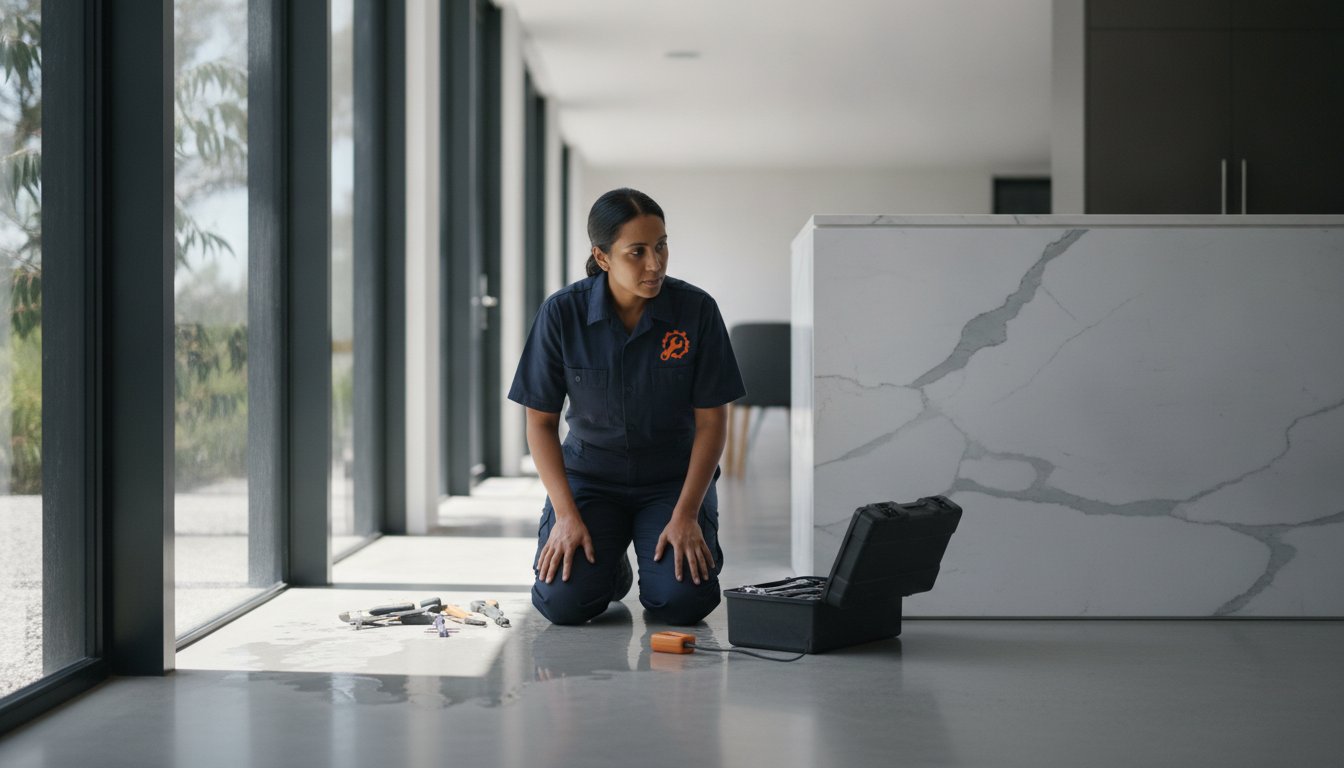
What to Do When a Pipe Bursts: A Step-by-Step Emergency Guide (2026)
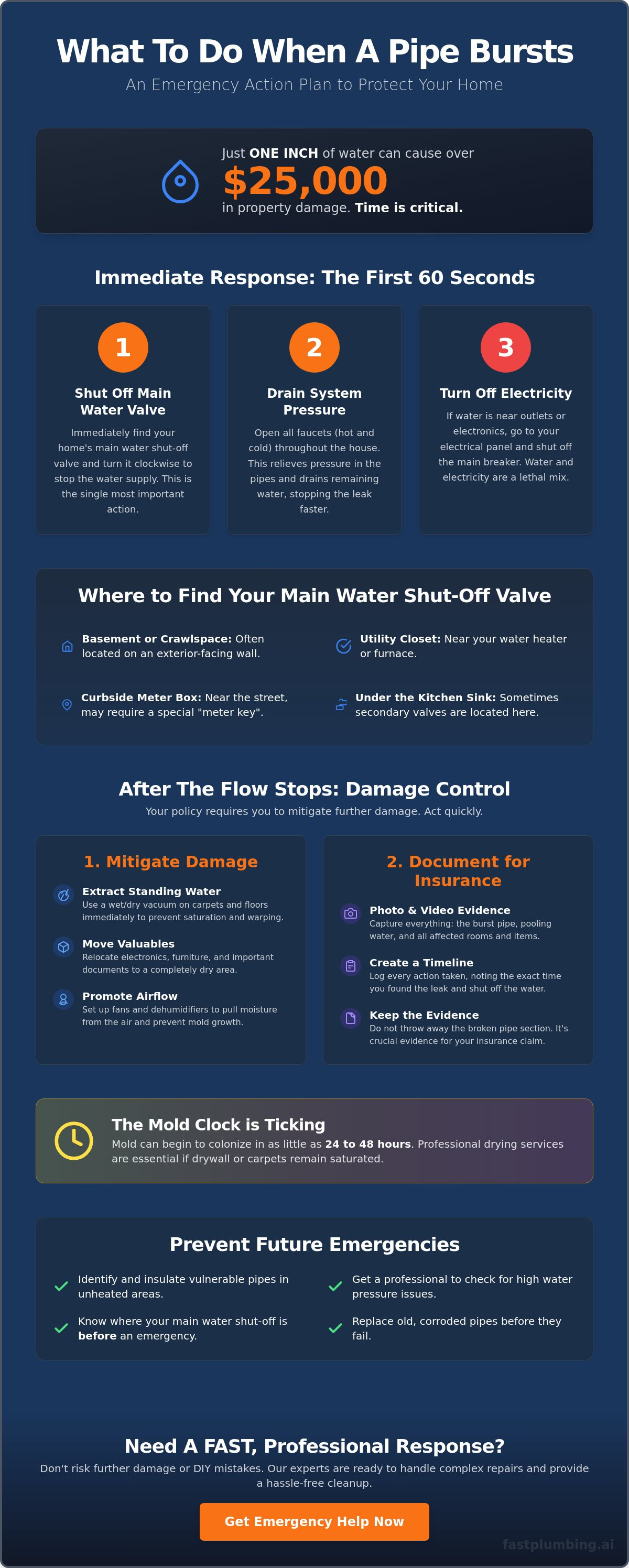
Did you know that just one inch of water inside your home can lead to $25,000 in property damage? When you hear the sound of rushing water behind a wall, your heart drops and your mind starts racing toward a massive repair bill. You need to know exactly what to do when a pipe bursts before the situation spirals out of control. It's a terrifying moment, but staying calm and moving FAST is the only way to save your floors, furniture, and sanity.
We understand that active flooding feels like a losing battle against the clock. You're likely worried about where your main shut-off valve is or if that puddle is creeping too close to an electrical outlet. It's completely normal to feel overwhelmed when your home is under threat. This guide provides an immediate, expert-led emergency response plan to stop the water flow instantly and protect your valuables. We will walk you through the critical steps to secure your property, handle insurance requirements, and get a professional to your door - fast and hassle-free.
Key Takeaways
- Stop the flooding instantly by locating your main water shut-off valve and draining the system pressure.
- Learn exactly what to do when a pipe bursts to protect your electronics and furniture from total loss.
- Master the documentation process to ensure your insurance company covers the full cost of restoration.
- Identify hidden risks like high water pressure and poor insulation to prevent future emergencies before they start.
- Get a professional on-site ASAP to handle complex repairs and provide a FAST, hassle-free cleanup.
Immediate Emergency Response: What to Do in the First 60 Seconds
The moment you realize a pipe has failed, your home is under attack. You need to know exactly what to do when a pipe bursts to stop the clock on property damage. Your first 60 seconds are the most critical. Don't waste time looking at the mess; move toward your main water shut-off valve immediately. Panic is the enemy, but a structured plan will save your home.
Locate the valve and turn it clockwise until it stops. This simple action cuts the supply to your entire house and prevents hundreds of liters of water from flooding your living space. Once the main valve is closed, go to your sinks and open every faucet. This drains the remaining pressure and water left in the pipes, which stops the active leak much faster. It also prevents "water hammer" from causing further damage to your remaining plumbing fixtures.
Safety is your top priority. If water is spraying near outlets or pooling around appliances, do not touch anything. Head to your electrical panel and shut off the main breaker. Water and electricity are a lethal combination. Keeping your phone charged and ready is also vital. You'll need it to document the scene for insurance and to call for professional help. You want a resolution that is FAST and reliable, right?
Finding Your Main Water Shut-Off Valve
Most homeowners don't know where their shut-off is until it's too late. Start by checking the perimeter of your home. It's usually located in a basement, crawlspace, or a utility closet near the water heater. If you can't find it inside, look for a curbside meter box near the street. You might need a "meter key" or a pair of pliers to turn the valve inside that box. Checking under the kitchen sink can also reveal secondary valves for specific zones, which is helpful if the leak is localized.
Managing Electrical Safety Hazards
Active flooding creates invisible dangers. Never enter a room if the water level has reached the height of electrical outlets. If the leak is localized behind a wall, turn off the specific circuit breakers for that area to be safe. understanding water damage means recognizing that structural issues often hide behind electrical risks. If you see sparks, hear a buzzing sound, or smell a sharp ozone scent, stay back and call an emergency professional immediately. You want the repair to be hassle-free, not life-threatening. Professional help ensures the site is safe before you begin any cleanup.
Mitigating Water Damage and Documenting for Insurance
Once you've stopped the flow, your priority shifts to saving your property. Standing water is the enemy. It doesn't just sit; it seeps into baseboards, subfloors, and drywall within minutes. Knowing what to do when a pipe bursts includes being your own first responder for the cleanup. Use a wet/dry vacuum to extract as much liquid as possible from carpets and hardwood floors before it has a chance to warp the material. If the flooding is deep, you'll need professional extraction to prevent long-term structural rot.
While you work, move your high-value electronics and important documents to a bone-dry area ASAP. Furniture should be lifted or moved out of the splash zone immediately. Don't wait for an insurance adjuster to show up before you start moving things. Your policy likely requires you to take reasonable steps to mitigate further damage. If you leave a soaked rug on a hardwood floor for two days, the insurance company might deny coverage for the floor repair.
Documentation is your best friend during a claim. Grab your phone and take high-resolution photos and videos of everything. Capture the burst pipe itself, the pooling water, and every affected room. Start a digital log of every action you take and every professional you speak with. Write down the time you discovered the leak and the exact time you shut off the water. This creates a clear timeline that adjusters can't easily dispute. It makes the whole process much more hassle-free, right?
The 24-Hour Rule for Mold Prevention
Airflow is your best defense against secondary damage. Set up industrial fans and dehumidifiers to pull moisture from the air and surfaces as quickly as possible. If drywall or carpeting remains saturated after 24 hours, it likely needs to be removed to prevent health risks. Mold can begin to colonize in as little as 24 to 48 hours after a burst. Speed is the only factor you can control here. If you are worried about hidden moisture, checking your plumbing repair costs early can help you budget for professional drying services.
Proper Insurance Documentation Steps
Adjusters need physical proof of the cause to process your payout. Never throw away the damaged section of the pipe; it is your primary piece of evidence. Photograph the point of failure clearly from multiple angles to show it was a sudden break. While many bursts happen due to age, preventing frozen pipes is a major focus for insurance companies during winter months. They will want to see that you took proper care of the property. Keep every receipt for buckets, fans, or tarps you buy. These costs are often reimbursable as part of your emergency mitigation claim.
Professional Repair vs. DIY: Assessing the Severity
Your water is off. The mess is documented. Now you have a choice. You need to decide if you can handle this or if it's time to call an emergency plumber. A tiny pinhole leak might seem manageable with a hardware store kit. However, a full-scale rupture is a different beast entirely. Knowing what to do when a pipe bursts means knowing when a situation requires professional-grade equipment. Safety and reliability are the goals here, right?
Start by identifying the pipe material. Most homes in 2026 use PEX because it is flexible and resists freezing. Copper and PVC are also common but require specific soldering or chemical bonding techniques. You also need to understand why it happened. Was it a deep freeze? Is the pipe old and corroded? Or is your home's water pressure spiking? If you don't solve the root cause, your new repair will just burst again. That is a headache you don't need when you're already dealing with a crisis.
Avoid the temptation of "quick-fix" tapes or emergency clamps. These are temporary bandages, not solutions. Under standard residential pressure, these patches often fail within hours. When they blow off, they usually cause more damage than the original leak. For any burst involving your main water lines, professional intervention is the only way to ensure your home is truly protected. You want a permanent fix that lets you sleep at night without worrying about a second flood.
Why DIY Pipe Repairs Often Fail
DIY fixes often lead to bigger problems down the road. If you mix copper with galvanized steel without the right fittings, you will trigger galvanic corrosion. This eats through the metal FAST. Many homeowners also struggle to seat fittings properly. A loose connection might hold for a few minutes before blowing off under pressure. Most importantly, unpermitted or non-compliant DIY work can void your homeowners insurance. If a future leak occurs because of a bad DIY job, you could be stuck with the entire restoration bill yourself.
What a Professional Plumber Will Do
A pro does more than just swap a pipe. They perform a full system diagnostic to make sure no other sections are ready to fail. They use advanced leak detection technology to find hidden secondary bursts behind your walls. This ensures the problem is solved the first time. You get a code-compliant repair that restores your home's safety and keeps your insurance valid. It is about getting your life back to normal, fast and hassle-free. We treat your property as if it were our own, ensuring a clean and reliable result ASAP.
Identifying the Root Cause to Prevent Future Bursts
Stopping the water was your first victory. Now you must investigate the "why" to ensure this doesn't happen again next week. While you've mastered what to do when a pipe bursts in the middle of a crisis, long-term prevention is what truly protects your home's value. Most plumbing failures aren't random accidents; they are the result of cumulative stress on your pipes. You want a system that is reliable and worry-free, right?
Start by evaluating the age of your plumbing. If your property still relies on old galvanized steel or polybutylene lines, you are living with a ticking time bomb. These materials are notorious for corroding from the inside out or becoming brittle over time. Replacing these aging sections before they fail is a smart investment that prevents catastrophic flooding. Scheduling regular plumbing maintenance allows a professional to catch thin spots or hairline cracks before they become a midnight emergency. We treat every inspection with a military-like focus on detail to keep your home bone-dry.
The Physics of Frozen Pipes
In colder regions, frozen pipes are a major threat. It's a common myth that expanding ice alone causes the rupture. In reality, the burst is caused by the massive buildup of water pressure between the ice blockage and the closed tap. When temperatures drop below the -7°C threshold, uninsulated pipes in garages, attics, or crawlspaces become extremely high-risk. You can relieve this dangerous pressure by keeping a slow, steady drip in your faucets during extreme cold snaps. This simple action provides a vital escape route for pressure, even if the water begins to freeze inside the line.
High Water Pressure: The Silent Killer
High water pressure is one of the most overlooked causes of plumbing failure. If your home's pressure is consistently over 80 PSI, your joints and fittings are under constant, dangerous strain. You might enjoy the strong flow in the shower, but your pipes are paying the price. Monitor your system for "water hammer" sounds, which are loud thumping noises that occur when you turn off a tap. These sounds indicate pressure spikes that can lead to a sudden rupture. Install a Pressure Reducing Valve (PRV) to stabilize the flow and protect your appliances. You can test this yourself with an inexpensive gauge, but a professional adjustment is the best way to ensure your home stays safe.
Don't wait for the next puddle to appear. Contact Fast Plumbing, LLC now to schedule a comprehensive system diagnostic and keep your home safe and dry.
Why You Need a FAST Professional Response
Every second counts when water is pouring into your home. You've already learned about the first response and the insurance steps, but the most important part of knowing what to do when a pipe bursts is knowing when to call the experts. Delaying even by an hour can cause water to seep into subfloors or behind structural beams. This leads to mold and rot that standard insurance might not fully cover if you didn't act quickly enough. Every minute that water flows, your plumbing repair costs and restoration bills climb higher. You need a solution that stops the damage now, right?
Fast Plumbing, LLC understands that an emergency doesn't wait for business hours. That's why we offer a 1-minute callback guarantee for all crisis situations. We don't believe in making you wait while your basement fills with water. Our technicians are ready to provide 24/7 service to your door; it's always FAST and hassle-free. We don't just fix the pipe and leave a mess behind. Our team ensures a "Clean-Up Like It’s Their Own," treating your property with the absolute respect it deserves. We are the reliable neighbor you can count on when things go wrong.
A burst pipe is more than a mechanical failure; it's a threat to your family's safety and your home's value. Attempting to manage a major rupture without the right tools can lead to secondary leaks that stay hidden for months. When you know what to do when a pipe bursts, you know that professional intervention is the only way to guarantee a permanent, code-compliant fix. We bring a military-like focus on punctuality and quality to every emergency call we receive.
The Fast Plumbing Difference
We bring over 29 years of hands-on experience to every job. Our team has handled every type of high-pressure emergency pipe burst imaginable, from frozen PEX lines to corroded copper mains. We are fully licensed and insured professionals who understand exactly what insurance adjusters need to see to approve your claim. We provide transparent communication from that first urgent call until the final repair is signed off. You'll never be in the dark about what we're doing or why we're doing it.
How to Get Help Right Now
Stop searching and start solving. Call us immediately so we can dispatch a rapid-response technician to your location. While you wait for us to arrive, clear a path to your water heater and the main shut-off valve. This saves precious minutes and allows our team to get to work the moment they step through the door. Trust the experts who prioritize speed without ever sacrificing the quality of the repair. We are ready to handle your plumbing crisis ASAP and get your life back to normal.
Secure Your Home and Stop the Damage Today
A burst pipe is a household crisis that requires immediate action. By now, you know the most critical steps: shut off the water supply, document the scene, and clear the area. Knowing what to do when a pipe bursts gives you the power to minimize property loss and protect your long-term investment. Don't let a mechanical failure turn into a total home renovation. You've taken the right first steps; now let the professionals ensure the repair is permanent and safe.
Fast Plumbing is ready to handle the pressure for you. We provide 24/7 emergency service and a famous 1-minute callback guarantee to ensure help is dispatched ASAP. Our technicians provide a Clean-up Like It's Our Own to restore your home and your peace of mind. We bring professional expertise to your door; fast and hassle-free, right? You don't have to face this flooding alone. Get a FAST Professional Repair Now and let's get your life back to normal today.
Frequently Asked Questions
Is a burst pipe covered by homeowners insurance?
Most standard homeowners insurance policies cover sudden and accidental water damage from a burst pipe. However, they typically exclude damage caused by gradual leaks or a lack of proper maintenance. You must act FAST to mitigate the damage and provide clear documentation to ensure your claim is approved without a struggle.
How much does it typically cost to fix a burst pipe in 2026?
Industry data for 2026 shows that a straightforward pipe repair typically ranges from $200 to $1,000. If the failure occurs behind a wall or under a foundation, these costs can quickly exceed $2,000. These figures only cover the plumbing repair and do not include the cost of water damage restoration or professional mold remediation.
Can I use a hair dryer to thaw a frozen pipe safely?
You can use a hair dryer to thaw a frozen pipe safely. This is a preferred method because it provides controlled heat without the fire risk associated with blowtorches or open flames. Always start thawing from the end of the pipe closest to the tap to allow steam and water to escape as the ice melts. If the temperature has dropped below -7°C, check the pipe for cracks before you begin.
How do I know if a pipe has burst behind a wall before I see water?
Watch for a sudden, unexplained drop in water pressure or strange sounds like hissing, whistling, or bubbling behind your drywall. You should also check your water meter while all taps are turned off. If the meter dial is still spinning, you have an active leak and need to know what to do when a pipe bursts to prevent a total home flood.
What happens if I can’t find my main water shut-off valve?
If you cannot find an interior shut-off valve, look for the curbside meter box located near the street. You will likely need a meter key or a pair of pliers to turn the valve inside this box. Stopping the water at the source is the only way to prevent thousands of liters of structural damage while you wait for a technician to arrive.
Should I call my insurance company or a plumber first?
Call a plumber first to stop the active flooding and secure your property. Insurance policies require homeowners to take immediate action to prevent further loss. Once the water is off and a professional is on the way, you can then contact your insurance agent to start the claims process with your documented evidence ready.
Can a burst pipe cause structural damage to my home?
Yes, a burst pipe can compromise your home's structural integrity within hours. Water weakens timber framing, rots drywall, and can even lead to foundation cracks if a slab leak occurs. Moving ASAP to extract standing water is vital to keeping your home’s skeleton strong and your repair bills manageable, right?
How long does it take for mold to grow after a pipe bursts?
Mold can begin to colonize on damp surfaces in as little as 24 to 48 hours. This is why professional drying and dehumidification are so important after you figure out what to do when a pipe bursts. If saturated materials like carpet padding or drywall aren't dried or removed quickly, they become a breeding ground for spores.
