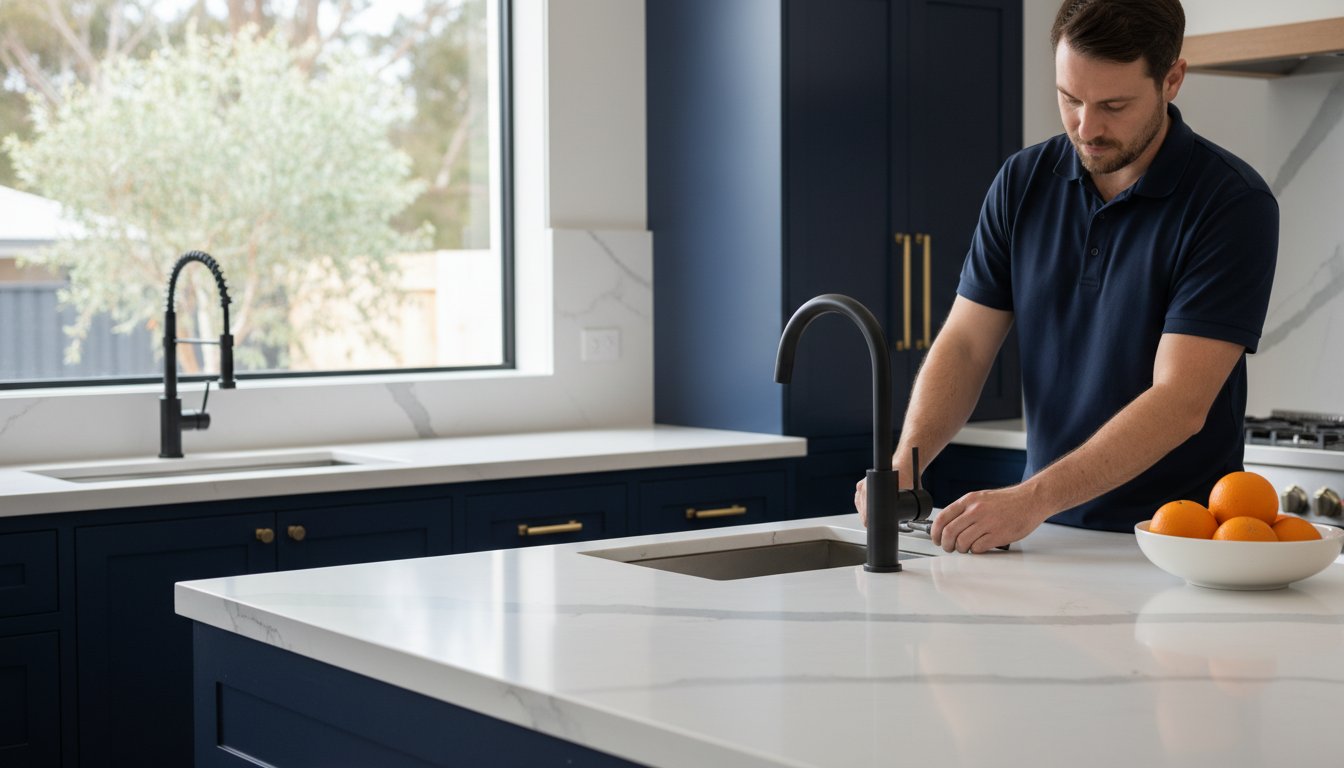
Kitchen Faucet Replacement: The 2026 Ultimate Buyer’s and Installation Guide
You finally found the perfect fixture, but as you crawl under the sink, you realize the hole pattern doesn't match and your shut-off valves are frozen shut. It's a common nightmare. Most homeowners start a kitchen faucet replacement with high hopes, only to end up with low water pressure or a slow drip that ruins the cabinetry. You want a kitchen that works without the stress of a DIY disaster. It's frustrating to deal with leaking handles or the constant fear of a sudden flood, right?
This guide will help you master the art of selecting and installing the perfect faucet while avoiding the common pitfalls that lead to water damage. We'll show you how to choose the right mounting style and ensure a fast, hassle-free installation. You're going to learn about the latest 2026 trends, like touchless tech and WaterSense efficiency, so you can get the job done right the first time. We've simplified the process into a clear plan that keeps your home dry and your sink functional. Let's get your kitchen back in order FAST.
Key Takeaways
- Identify the warning signs of internal corrosion so you can swap your fixture before a major leak starts.
- Streamline your kitchen faucet replacement by selecting ceramic disc valves that guarantee a lifetime of drip-free use.
- Eliminate installation frustration by accurately counting mounting holes and using deck plates to hide unused gaps.
- Follow our professional toolkit guide and safety steps to ensure your water lines are fully drained and secured.
- Learn how professional installation provides a FAST, hassle-free solution that protects your kitchen from future water damage.
Recognizing the Need for a Kitchen Faucet Replacement
Is that small drip just annoying, or is it a warning? Many homeowners wait until a pipe bursts to consider a kitchen faucet replacement. That's a mistake. A failing faucet is often a symptom of deeper plumbing health issues. You need to know when a simple fix is enough and when the entire unit is a ticking time bomb. Understanding basic faucet terminology and mechanics helps you spot these signs before you're standing in two inches of water. Don't ignore the small signals. They always lead to bigger, more expensive problems.
Internal corrosion is the silent enemy of older fixtures. Brass and plastic components don't last forever. They decay from the inside out. Eventually, this debris clogs your lines or eats through the metal housing. If you see rust flakes in your aerator, the unit is already failing. These micro-leaks are silent killers for your budget. A faucet that "weeps" at the base can add significant costs to your monthly bill without you ever seeing a puddle. It's a waste of money and resources, right?
Visible Wear and Aesthetic Deterioration
Surface damage is more than just an eyesore. Pitting and heavy mineral buildup mean your local water chemistry is winning the war against your hardware. When the finish starts flaking, those metallic bits can end up in your food prep area. Cracked handles or sprayers aren't just ugly; they compromise the ergonomic use of your sink. If you can't clean the grime off with standard soap, the protective barrier is gone. This allows bacteria to hide in the pitted surfaces of your fixture. It is time for an upgrade.
Performance Failures and Internal Leaks
Performance issues usually start small. A persistent drip from the aerator might seem minor, but it can waste hundreds of gallons a year. If you've already replaced the cartridge and it still leaks, the internal seat is likely pitted beyond repair. Check under your sink regularly. Water pooling on the cabinet floor often means the base seal has failed. This leads to mold and rotted wood FAST. Also, watch your water pressure. Sudden drops often point to internal blockages or valve failures that can't be cleared.
Sometimes, the problem isn't just the tap. If you notice slow drainage or strange smells, a garbage disposal issue might be affecting the overall health of your sink's plumbing. Everything in your kitchen works as a single system. When one part fails, it puts stress on everything else. Solving these problems early saves you from a total kitchen disaster and keeps your home running smoothly.
Selecting the Perfect Fixture: A Buyer’s Framework
Picking a faucet is about more than aesthetics. If you choose a model based on looks alone, you'll be back under the sink in six months. A successful kitchen faucet replacement starts with what's inside the box. You want ceramic disc valves. Unlike old-fashioned compression washers that wear out and drip, ceramic discs are nearly diamond-hard. They provide a lifetime of smooth operation. It's the best way to ensure you never have to deal with a midnight leak again.
Water efficiency is another non-negotiable factor. You need to balance cleaning power with conservation. In Australia, the WELS (Water Efficiency Labelling and Standards) scheme makes this easy. Look for the star rating on the packaging. A higher star rating means better water savings, which is vital for our climate. Most modern fixtures range from 3-star to 6-star ratings. Choosing a high-efficiency model ensures you meet modern standards without sacrificing performance.
Don't be fooled by "big box" store bargains. They often look identical to professional models but use plastic internal parts. Always look for the WaterMark certification. This is the Australian national scheme for plumbing and drainage products. It guarantees the fixture is safe and fit for purpose. Professional-grade fixtures use solid brass or stainless steel components that resist corrosion. If you need help choosing a model that fits your specific setup, our experts at Fast Plumbing, LLC can help you find the right fixture for your home. We'll get it to your door - FAST and hassle-free.
Understanding Faucet Styles and Sprayer Types
Reach matters. Pull-down sprayers are great for deep basins because they offer a direct, high-pressure blast. Pull-out sprayers have a shorter spout but a longer hose, which is perfect if you have limited overhead space. If you want the ultimate in hygiene, look at touchless or voice-activated models. They keep your hands off the handle when you're handling raw meat. High-arc gooseneck designs are the gold standard for filling large stockpots without a struggle. It makes sense to plan for convenience, right?
Material Science: Finishes and Durability
Finish technology has come a long way. PVD (Physical Vapor Deposition) finishes are bonded at the molecular level. They resist scratches and tarnishing better than traditional plating. Stainless steel is naturally corrosion-resistant, while solid brass is heavier and extremely durable. Always try to match your faucet finish to your cabinet hardware. It creates a cohesive, high-end look that adds value to your kitchen.
Smart Features and Modern Innovations
Modern tech makes life easier. Temperature-sensing LED indicators change color to show when the water is hot. This prevents accidental scalding for kids and seniors. Magnetic docking systems are another must-have. They ensure the spray head snaps back into place and never sags over time. You might also consider integrated filtration. These systems deliver clean water directly from the tap, which eliminates the need for those bulky countertop units that take up your workspace.

Technical Compatibility and Mounting Specifications
Before you fall in love with a sleek new design, look at your sink. A kitchen faucet replacement is only as good as its fit. You need to count your mounting holes immediately. Most sinks feature between one and four holes. A single-hole faucet is modern and clean. However, if your existing sink has three holes for an old-fashioned bridge faucet, you aren't stuck. You can use a deck plate, often called an escutcheon. This metal plate covers the unused holes. It provides a finished look and prevents water from leaking into your cabinet. It makes the transition easy and professional, right?
Measurement is the next critical step. Check the spout reach and height. The water should land directly in the center of the drain. If the spout is too short, you'll be splashing water on the back ledge. If it's too high and your basin is shallow, you'll deal with constant splashback on your clothes. Match the arc of the faucet to the depth of your sink to ensure maximum comfort and minimum mess. A deep basin allows for a high-arc gooseneck, while a shallow sink needs a more modest profile to keep the water where it belongs.
Supply Line Connections and Plumbing Standards
Don't assume your old lines will fit. Most modern faucets use 3/8-inch compression fittings. However, older homes often have 1/2-inch connections. Check this before you start. We recommend braided stainless steel supply lines over rigid PEX. They are flexible and far less likely to burst under pressure. While you're down there, replace your shut-off valves. Old valves often seize up. Replacing them now ensures you can actually turn the water off in an emergency. It's a small step that prevents a massive headache later.
Clearance and Spatial Planning
Space is tight behind the sink. Check your backsplash gap. Some single-handle faucets require several inches of clearance to tilt back for hot water. If your sink is flush against a wall, look for a faucet with a handle that only rotates forward. You also need to look under the sink. Ensure the new sprayer hose has a clear path. It shouldn't snag on the garbage disposal or pull-out trash bins. Finally, check the height. A high-arc gooseneck is great for pots, but it shouldn't block your window view or hit the bottom of your upper cabinets. Plan your space FAST to ensure your kitchen faucet replacement goes smoothly without any return trips to the store.
The Step-by-Step Replacement Process
Ready to get your hands dirty? A kitchen faucet replacement is a rewarding project, but it requires the right tools and a solid plan. Don't believe the videos that say it's always a 30-minute job. Real-world plumbing involves cramped spaces and stubborn hardware. You'll need a basin wrench, adjustable pliers, and some plumbers putty. Start by clearing everything out from under the sink. You need room to move. It's much easier to work when you aren't fighting around dish soap and sponges, right?
Safety is your first priority. Locate the shut-off valves and turn them clockwise until they stop. Open the faucet to drain any remaining pressure. If water keeps coming, your valves have failed. This is exactly where plumbing repair costs can skyrocket if you force a connection. Keep a bucket and towels ready. You're going to get some spills when you disconnect the lines. It's better to be prepared than to soak your cabinetry and cause permanent water damage.
Removal of the Old Fixture
Loosening rusted mounting nuts is usually the hardest part of the job. These nuts sit in a dark, tight gap between the sink and the wall. Use your basin wrench to get a firm grip. If it won't budge, apply some penetrating oil and wait ten minutes. Be extremely careful not to twist the copper house pipes. If those snap, you're looking at a major flood. Once the old unit is out, scrub the sink surface thoroughly. Any old gunk left behind will prevent your new faucet from sealing properly.
Installing the New Faucet
Follow the manufacturer's specs for the base seal. Some use a rubber gasket, while others need a bead of plumbers putty. Seat the new faucet and center it carefully. Tighten the mounting hardware until it's snug, but don't go overboard. Over-tightening can crack a porcelain sink or warp a thin stainless one. Connect your supply lines and check for kinks. A pinched line will kill your water pressure instantly. We can solve your installation problems FAST if the hardware doesn't seem to line up.
Testing and Final Calibration
Don't just blast the water back on. Use the "Slow Reveal" method. Open the valves gradually while someone watches the connections. If you see a drip, tighten the nut another quarter turn. Remove the aerator before you run the water for the first time. This flushes out any construction debris that might clog your brand-new ceramic cartridge. Test the sprayer and the handle range. If the cabinet stays dry and the pressure is strong, you've mastered the process.
Professional Installation: The FAST and Hassle-Free Way
Why spend your entire Saturday twisted like a pretzel under a sink? While we've outlined the technical steps for a kitchen faucet replacement, the reality of plumbing is often more complicated than a video makes it look. One wrong turn of a wrench can lead to a flooded kitchen and costly water damage. Professional installation acts as a critical insurance policy for your home. Our licensed experts at Fast Plumbing, LLC see the things you might miss. We identify hairline fractures in old pipes and failing supply valves before they become midnight emergencies. It's about protecting your home and your investment with expert craftsmanship. You want the job done right the first time, right?
We know the biggest fear homeowners have when calling a service provider is the mess. You don't want a technician tracking grease through your home or leaving a pile of old parts on your counter. That's why Fast Plumbing, LLC stands by our "Clean-Up Like It's Our Own" guarantee. We treat your property with absolute respect. Our team brings a high sense of urgency to every job, but we maintain a professional calm that lowers your blood pressure immediately. We get to your door - fast and hassle-free. This isn't just a service call; it's a commitment to leaving your kitchen better than we found it.
Avoiding the Mess and the Stress
Our technicians arrive prepared to protect every inch of your workspace. We use drop cloths and boot covers to ensure your floors stay spotless throughout the process. One of the biggest benefits of choosing professional service is our same-day availability. We get your kitchen back to normal FAST. You can skip the "multiple trips to the store" headache that ruins most DIY projects. We bring the right professional-grade materials and specialized tools, like basin wrenches and custom seals, to solve the problem in one visit. It's the most efficient way to handle your kitchen faucet replacement without losing your mind or your weekend.
Guaranteed Results and Peace of Mind
We back our work with a comprehensive warranty on both labor and professional-grade materials. You get the peace of mind that comes with knowing your new fixture is secured, calibrated, and leak-free. Our 1-minute callback guarantee is a signature of our commitment to you; we value your time as much as you do. We don't linger on fluff or make you wait for answers. We move quickly from initial contact to the completed job, ensuring a streamlined experience. Ready for a hassle-free upgrade? Contact Fast Plumbing, LLC for expert faucet installation! We are your proactive and attentive partner, providing the military-like focus on punctuality you deserve.
Upgrade Your Kitchen with Total Confidence
A functional kitchen is the heart of your home. You've now learned how to navigate the technical world of WELS ratings and hole configurations. Whether you chose a touchless gooseneck or a classic single-handle model, a successful kitchen faucet replacement adds immediate value and efficiency to your daily routine. By following the steps to verify your connections and flush your lines, you've taken a massive step toward long-term home health and water conservation.
If you'd rather skip the frustration of frozen valves and cramped spaces, Fast Plumbing, LLC is here to help. We bring 29+ years of master plumbing expertise to every job. We offer a 1-minute callback guarantee and our signature "Clean-Up Like It’s Our Own" policy to ensure your kitchen remains spotless. Get your kitchen back to normal with FAST, professional faucet replacement! Let Fast Plumbing, LLC handle the technical details so you can enjoy your new kitchen upgrade without the stress. We're ready to get your project completed FAST.
Frequently Asked Questions
How long does it typically take to replace a kitchen faucet?
A standard kitchen faucet replacement typically takes between one and two hours to complete if no major plumbing issues are discovered. DIY beginners might need more time to navigate cramped under-sink spaces. If mounting nuts are rusted or supply lines need modification, the job can easily stretch into a full afternoon. Professional plumbers usually finish the task in under an hour because they have specialized basin wrenches and experience with stubborn hardware.
Can I install a single-hole faucet in a three-hole sink?
You can absolutely install a single-hole faucet in a three-hole sink by using a deck plate, also known as an escutcheon. Most modern faucets include this plate in the box to cover the extra holes in your countertop or sink rim. It provides a clean, finished look and creates a watertight seal. This is a common solution for homeowners who want a modern aesthetic without replacing their entire sink basin.
Do I need to use plumbers putty for every faucet installation?
You don't need plumbers putty for every job, as many modern fixtures come with pre-installed rubber or plastic gaskets. Always check the manufacturer's instructions before you start. If a gasket is provided, putty can actually damage certain finishes or plastic components. However, for older sink styles or specific mounting hardware, a small bead of putty may still be necessary to prevent water from seeping under the faucet base.
What is the most durable finish for a kitchen faucet in 2026?
Physical Vapor Deposition (PVD) finishes are widely considered the most durable choice for kitchen hardware in 2026. This process bonds the finish to the metal at a molecular level, making it virtually immune to scratches, tarnishing, and corrosion. Stainless steel is another excellent, low-maintenance option. While traditional chrome is affordable, it shows water spots and scratches much more easily than PVD-coated brass or brushed nickel alternatives.
Why is my new kitchen faucet experiencing low water pressure?
Low water pressure after a kitchen faucet replacement is usually caused by sediment trapped in the aerator or a kinked flexible supply line. Construction debris often breaks loose when you turn the water back on, clogging the small screens in the faucet head. Simply unscrew the aerator and rinse it out to restore full flow. Also, check under the sink to ensure the braided lines haven't twisted or pinched during the final tightening.
What should I do if my shut-off valves are stuck or leaking?
You should replace stuck or leaking shut-off valves immediately rather than trying to force them open with pliers. Forcing a seized valve can snap the stem and cause an uncontrollable flood in your kitchen. These valves are critical safety components that allow you to isolate the sink during repairs. If they don't turn easily by hand, it's a sign of internal mineral buildup and failure. Call a professional to swap them out FAST.
