Why Is My Water Bill So High? A Step-by-Step Diagnostic Guide for 2026
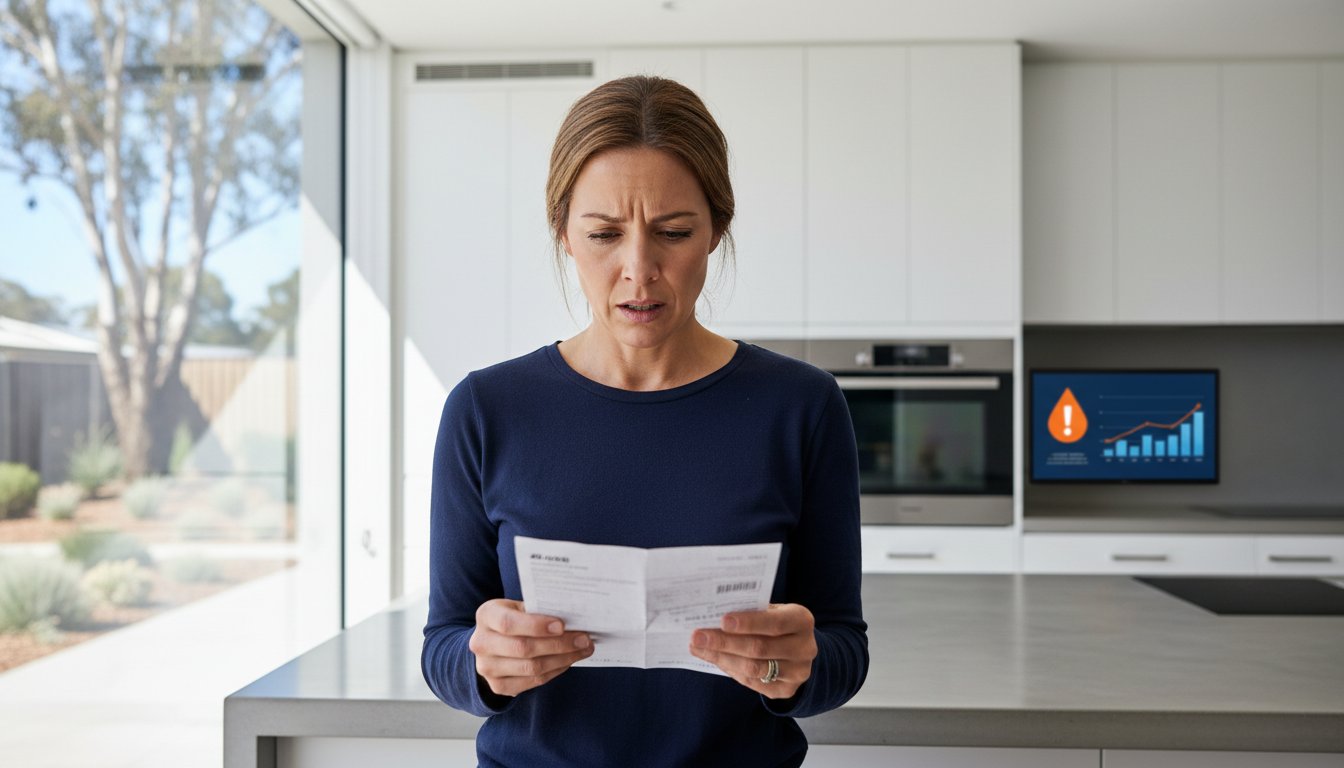
Did you know that water bills across the U.S. rose by a staggering 59% in the five years leading up to 2026? If you just opened your latest statement and gasped, you aren't alone. Asking yourself why is my water bill so high is actually the first step in protecting your home from a much larger disaster. The average insurance claim for water damage is now between $12,500 and $13,954; so that spike in your bill is basically a smoke alarm for your property's health.
We know how stressful it is to feel like you're losing money every time a faucet runs. You want to stop the waste, lower your next bill, and make sure your foundation isn't being quietly washed away. It's frustrating to look at a water meter and feel totally confused about what the numbers mean. We are here to help you solve this mystery immediately.
This guide will show you exactly how to find the culprit. We'll walk through a FAST diagnostic process to read your meter like a pro, spot silent leaks that waste 9,300 gallons a year, and secure your home against hidden damage. Let's get your costs back under control right now.
Key Takeaways
- Define a "spike" as any increase of 25% or more from your normal average to confirm if you have a plumbing crisis.
- Stop wondering why is my water bill so high by checking for "silent killers" like phantom toilet flushes that waste thousands of gallons.
- Use our 5-step DIY audit to isolate whether your leak is located inside the house or hidden in the main service line.
- Learn to spot invisible threats behind walls or under your foundation that cause massive waste without leaving a single puddle.
- Discover how professional tools find the source of your high bill ASAP to stop property damage before it starts.
The 'Sticker Shock' Diagnostic: Why Your Water Bill Spiked Suddenly
Opening a utility statement and seeing a massive jump is enough to ruin anyone's day. We understand the frustration of feeling like your money is literally going down the drain. If you are asking why is my water bill so high, the first thing we look for is a "spike." At Fast Plumbing, we define a spike as a 25% or greater increase from your historical average. While small fluctuations happen, a jump this large is a red flag that demands immediate attention. Don't panic; we can solve this FAST.
It is important to distinguish between a billing error and a mechanical plumbing failure. A billing issue is a headache, but a mechanical failure is a threat to your property. If your pipes are leaking, that water is going somewhere. It could be rotting your subfloor or eroding the soil under your foundation. A single leaking toilet can waste 200 gallons of water every single day. That is over 6,000 gallons a month from a "silent" leak you might not even hear or see. Identifying the cause quickly is the only way to stop the bleeding.
Billing Cycle vs. Actual Usage
Before you start inspecting your pipes, check the fine print on your bill. Look for the meter read details to see if the reading was "Actual" or "Estimated." An estimated read occurs when the utility company guesses your usage based on past patterns instead of actually reading the meter. This often leads to "catch-up" bills later that look like a massive spike but are actually just a correction for previous under-billing.
You should also consider seasonal variations. Did you start a summer irrigation schedule? Did you have several holiday guests staying over? These changes in behavior can drastically alter your water conservation strategies and lead to a higher bill. If your usage patterns haven't changed, the problem is likely mechanical.
Historical Comparison: The 12-Month Rule
To get a true diagnostic picture, you must compare this month's bill to the same month last year. Comparing it only to last month is a mistake because your habits change with the weather. If your bill is 30% higher than it was during the exact same period last year, you have a confirmed spike.
Identify any "sneaky" usage increases that may have occurred recently. Consider these factors:
- New appliances like a high-capacity washing machine or dishwasher.
- New landscaping or a recently filled swimming pool.
- Additional household members or frequent houseguests.
If none of these apply, your spike is not a "one-off" event. It is a growing plumbing threat that requires professional leak detection to find the source ASAP.
Identifying the Sneaky Culprits: Common Household Leaks and Failures
If you're staring at a statement and wondering why is my water bill so high, the answer is often hiding in plain sight. We call these "Silent Killers." Unlike a burst pipe that floods your kitchen, these leaks are quiet. They don't make a mess, but they destroy your budget. According to the EPA, common household leaks can waste nearly 1 trillion gallons of water nationwide every year. Most of that waste comes from fixtures you use every single day.
A single dripping faucet might seem like a minor annoyance. However, one drip per second adds up to over 3,000 gallons a year. That is enough water for 180 showers! Check your showerheads and sink aerators for any signs of moisture when the handle is off. If you find a leak, you need to fix it ASAP to stop the financial drain.
The Silent Running Toilet
The "phantom flush" is the #1 cause of high water bills. This happens when a worn-out flapper valve fails to create a seal. Water leaks from the tank into the bowl, and the fill valve kicks on to refill the tank. It sounds like a ghost is flushing your toilet in the middle of the night. If the water level is too high, it might also be constantly draining into the overflow tube.
Perform the "Dye Test" to confirm this in 15 minutes:
- Remove the tank lid.
- Drop 10 to 12 drops of food coloring into the tank.
- Wait 15 minutes without flushing.
- If color appears in the bowl, you have a leak.
Worn flappers are cheap to replace, but ignoring them is expensive. If you aren't comfortable handling the repair yourself, our team can solve it FAST and ensure your toilet is operating efficiently.
Appliance and Fixture Fatigue
Don't forget about your hard-working appliances. Washing machines and dishwashers often develop slow-drip leaks in their supply lines. These drips happen behind the machine where you can't see them. Check for dampness or mold growth near the floor. Another sneaky culprit is the water softener. If the "regeneration" cycle gets stuck, the unit will continuously flush water down the drain 24/7. This can double your bill in a single month.
Outdoor irrigation is another major factor. A single broken sprinkler head can waste thousands of gallons during a single watering cycle. Check your lawn for unusually soggy patches or "geysers" when the system is running. Also, inspect your outdoor spigots. Frost-proof faucets that weren't drained properly in winter often crack internally, leading to hidden leaks inside your walls when you turn them on in the spring. Finding these failures early is the best way to protect your home and your wallet.

Beyond the Visible: Hidden Plumbing Threats Behind Your Walls
"I don't see any water, so I can't have a leak." We hear this objection every day. It is a dangerous assumption that can cost you thousands in structural repairs. If you are asking why is my water bill so high, you must look beyond the surface. Most catastrophic plumbing failures happen where you can't see them. Approximately 1 in 60 insured homes files a claim for water damage every year, and many of those cases start with a silent, hidden leak.
Professional hidden water leak detection is critical because pipes are buried in walls, under floors, and beneath your yard. A tiny pinhole leak in a copper pipe can spray water silently for months. This moisture doesn't always pool on the floor; instead, it soaks into your insulation and drywall. We use advanced technology to find these threats before they destroy your home.
Keep an eye out for these warning signs:
- A persistent musty or moldy smell in a specific room.
- Warm spots on your linoleum or tile flooring.
- Peeling paint or wallpaper that feels damp to the touch.
- Discolored patches on the ceiling or baseboards.
Waiting to investigate is a gamble you will lose. A small leak today is a burst pipe emergency tomorrow. High pressure eventually turns a pinhole into a flood. We solve these mysteries FAST before they become a total household crisis.
Slab Leaks and Foundation Hazards
A slab leak is one of the most serious plumbing threats. It occurs when the pipes under your home's concrete foundation fail. Because the water is trapped under the slab, it often goes undetected until your bill skyrockets. You might notice unexplained wet spots on your carpet or hear the faint sound of running water when every faucet is off. Slab leaks cause dramatic and sustained bill increases because they never stop running. If left alone, they can even cause foundation cracks that threaten your home's structural integrity.
Water Heater Tank Failures
Your water heater is another common source of hidden waste. The Temperature and Pressure (T&P) valve is a safety feature designed to release water if the tank overheats. If this valve fails, it can dump hundreds of gallons of water silently into a floor drain. You won't see a puddle, but your meter will be spinning. Internal tank corrosion also leads to slow leaks that are hard to spot until the tank finally gives out. Check our guide on water heater repair to learn how to diagnose these issues ASAP. We treat your property like our own, ensuring every hidden threat is found and fixed with zero hassle.
How to Troubleshoot a High Water Bill: A 5-Step DIY Audit
You need answers now. Stop guessing and start testing with this rapid-fire audit. We designed this 5-step process to help you find the source of the waste before your next billing cycle hits. If you've been losing sleep wondering why is my water bill so high, these steps will bring you the clarity you need. Grab a notepad and follow this sequence exactly. We can solve this mystery together, right?
- Step 1: The 'Zero Usage' Meter Test. Ensure every single faucet, shower, and appliance is off. Check your water meter. If the dial is moving, you have a confirmed leak.
- Step 2: The Main Shut-Off Isolation. Turn off the main water valve to your house. If the meter is still spinning, the leak is outside in your service line.
- Step 3: The Toilet Dye Test. We mentioned this earlier, but you must do it for every toilet in the house simultaneously. A leak in a guest bathroom is just as expensive as one in the master.
- Step 4: Appliance Inspection. Pull your refrigerator and washing machine away from the wall. Look for "crusty" white mineral deposits on the connections. These are signs of slow, evaporating leaks.
- Step 5: Exterior Scan. Walk your property line. Look for patches of grass that are noticeably greener or taller than the rest of the yard. This often indicates a pipe failure underground.
Mastering the Water Meter Test
Your water meter is your most honest diagnostic tool. Find the meter box, usually located near the street or in your basement. Wipe off the face and look for a "low flow" indicator. This is usually a small red or black triangle, or a star-shaped wheel. If that tiny wheel is spinning even slightly while your water is off, you're losing money every second. Record the current reading and wait two hours without using a single drop of water. If the numbers change at all, you have a leak that requires professional attention ASAP.
Isolating the Service Line
This is the "aha" moment for most homeowners. Close the main shut-off valve located where the water enters your home. Go back out to the meter. If the low flow indicator is still moving, the leak is located in the pipe buried between the meter and your house. This is a serious issue that DIY methods cannot fix. You need a professional sewer line repair or a specialized line inspection to find the break. Don't wait for a sinkhole to form in your front yard. If your meter is spinning while the house is shut off, call us to solve the mystery FAST and stop the damage today.
Solving the Mystery FAST: Professional Leak Detection and Repair
DIY troubleshooting is a great way to find obvious issues like a worn flapper or a dripping faucet. But what happens when you've checked every fixture and your meter is still spinning? This is where most homeowners feel stuck. If you have completed our 5-step audit and still can't explain why is my water bill so high, it is time to bring in the experts. Some leaks are simply too deep, too quiet, or too well-hidden for the human eye to find. You shouldn't have to guess where your money is going. We find the source of your high bill ASAP and stop the bleeding immediately.
Professional leak detection is an investment that pays for itself. Remember, your utility company will only tell you that you're using too much water; they won't help you find the break. By locating a hidden leak early, you avoid the massive costs of structural restoration and mold remediation. We use a non-invasive approach to find the problem without tearing your home apart. We treat your property with respect, and our "Clean-Up Like It's Our Own" guarantee means you won't be left with a mess once the job is done.
Advanced Tech: Finding the Invisible
We use military-grade technology to solve your plumbing mysteries. Ultrasonic leak detection allows us to "hear" the specific frequency of water escaping from pipes deep underground or beneath concrete slabs. We also utilize thermal imaging cameras to see moisture patterns behind your drywall. This lets us pinpoint a leak's exact location without cutting unnecessary holes in your walls. For main service lines, our video camera inspections provide a clear, high-definition look at the interior of your pipes. We find cracks, root intrusions, or collapses that are otherwise invisible. This precision saves you time and prevents "exploratory" digging in your yard.
The FAST Plumbing Advantage
A high water bill is a plumbing emergency in disguise. It indicates that water is going where it shouldn't, which is why we offer a 1-minute callback guarantee. You shouldn't have to wait days for a solution while your bill keeps climbing. We provide transparent, flat-rate pricing so you know exactly what to expect before we start. There are no surprises, just solutions. We arrive on time, work quickly, and ensure your home is safe from water damage. You want your life to get back to normal, right? Call us now to get your water bill and your stress levels under control. We are ready to solve your problem fast and hassle-free.
Stop the Drain on Your Wallet Right Now
You now have the tools to identify whether your spike is a simple billing error or a serious mechanical failure. From the 15-minute toilet dye test to isolating your main service line, you can find the obvious culprits on your own. However, an unexplained bill is a smoke alarm for your home's health. You don't have to tackle hidden leaks or foundation threats alone. It is time to move from confusion to a permanent solution.
Stop wondering why is my water bill so high and get a definitive answer today. With over 29 years of professional experience, we have the advanced technology to find the invisible waste that DIY audits miss. We offer a 1-minute callback guarantee because we know your time is valuable and your situation is urgent. Plus, our "Clean-Up Like It's Our Own" promise ensures your home stays spotless throughout the entire process.
Stop the waste FAST; get a professional leak diagnostic today!
You deserve a home that is safe, efficient, and hassle-free. Let's get those numbers back to normal and give you the peace of mind you deserve, right?
Frequently Asked Questions
Can a high water bill be a mistake by the utility company?
Yes, utility companies occasionally make errors, most commonly through "estimated readings." If a technician cannot access your meter, the company guesses your usage based on past patterns. When they finally perform an "actual" reading, you might receive a massive catch-up bill. Always check your statement for the word "estimated" to see if this explains why is my water bill so high this month.
How much water does a leaking toilet actually waste?
A leaking toilet is a massive source of waste, often losing up to 200 gallons of water every single day. Over a full billing cycle, that is 6,000 gallons of wasted money. Because these leaks are often silent, they can run for months before you notice the financial impact. Perform a dye test to catch this thief ASAP and protect your budget.
Will my water provider give me a credit for a leak?
Many water providers offer a one-time "leak adjustment" credit if you can prove the leak was fixed. You will typically need to submit a copy of your professional repair invoice as proof. Call your utility company's customer service department immediately after the repair is complete to ask about their specific requirements. It is a smart way to recover some of your lost money.
How do I know if my water meter is faulty?
Faulty meters are rare, but they do happen. If you've shut off your main house valve and the meter is still spinning, you have a leak in your service line, not a bad meter. If the meter doesn't move during a "zero usage" test but your bill remains high, contact the utility company to request an accuracy test. They can calibrate the unit to ensure it's reading correctly.
Is it possible for a neighbor to be using my water?
It is possible, though unlikely in most modern residential settings. Someone could technically use your outdoor spigots, or in very old neighborhoods, there might be a rare shared service line. If you suspect unauthorized usage, install locks on your outdoor faucets. If the bill stays high after locking them, the problem is almost certainly a hidden mechanical leak within your own plumbing system.
What should I do if I find a wet spot on my floor or wall?
Shut off your main water valve immediately to prevent further structural damage. A wet spot is a sign that a pipe has already failed and is actively soaking your home's framework. This is a plumbing emergency that requires professional attention ASAP. Once the water is off, call a professional to locate and solve the problem before mold begins to grow.
How often should I check my water meter for leaks?
Check your water meter at least once a month when you receive your utility statement. This habit helps you catch small leaks before they turn into expensive spikes. If you have an older home or have recently experienced freezing weather, checking every two weeks is even better. Regular monitoring is the best way to ensure your home remains safe and your bills stay low.
Does a tankless water heater help lower my water bill?
A tankless water heater primarily saves energy, but it can also reduce water waste if installed closer to your fixtures. Traditional tanks force you to run the tap while waiting for hot water to travel through long pipes. Tankless systems provide hot water much faster, which means less water goes down the drain while you wait. It is a smart choice for long-term efficiency and convenience, right?
