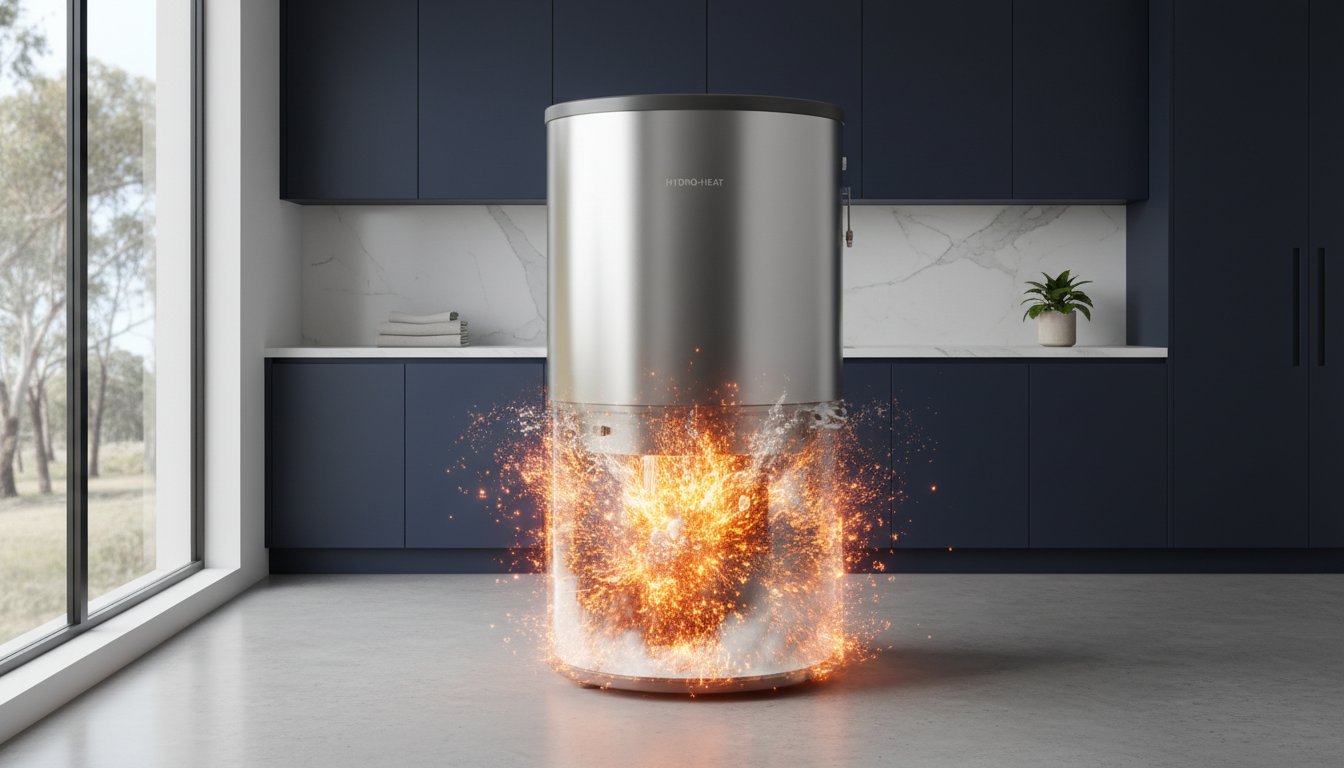
Water Heater Making Popping Noise? Causes, Risks, and FAST Solutions
Is that rhythmic thumping from your cupboard a sign of an impending flood? When you hear your water heater making popping noise, it is not just a minor annoyance. It is a "check engine light" for your home's safety and efficiency. Many homes across Australia deal with mineral-heavy water, which leads to sediment buildup that traps steam and creates those loud, unsettling sounds. You are right to be concerned about potential tank damage or those rising energy bills that come with a struggling heater.
We understand the stress of a noisy appliance at midnight and the fear of a costly replacement. This guide will help you discover exactly why your tank is popping and whether your property is at risk. We promise to show you how to solve the problem FAST to restore your peace of mind and hot water efficiency. We will walk through the causes of sediment buildup, how to fix the issue before it leads to a rupture, and the simple steps you can take to keep your home quiet and hassle-free.
Key Takeaways
- Identify why your water heater making popping noise is a critical warning sign of sediment buildup.
- Learn how the kettling effect traps steam and places unnecessary physical stress on your steel tank.
- Discover why your T&P relief valve is a vital safety fail-safe that protects your home from tank failure.
- Find out how a professional "Flush and Fill" method clears sediment FAST to restore peak hot water efficiency.
- Understand the risks of DIY flushing and why expert maintenance is the most reliable way to prevent permanent leaks.
Decoding the Noise: What a Popping Water Heater Is Trying to Tell You
Do you hear a sharp crackle or a low rumble coming from your utility cupboard? That water heater making popping noise is a cry for help from your plumbing system. It is not just a nuisance. It is a sign that your tank is struggling to breathe. This specific sound is caused by a process called kettling. It happens when minerals and debris settle at the bottom of your tank, creating a thick layer of sludge. When the burner or heating element kicks on, steam bubbles get trapped under this sediment. As those bubbles fight to escape, they burst with a loud pop or a sound like popcorn in a microwave.
Don't make the mistake of thinking this is just moving debris. The noise is a symptom of trapped heat that cannot reach the water efficiently. This causes the bottom of your steel tank to overheat, which leads to physical stress and eventual structural failure. Ignoring these early warning signs is the fastest way to turn a quiet evening into a plumbing emergency. You want your home to stay hassle-free, and that starts with understanding what these sounds actually mean.
Popping vs. Banging: Identifying the Sound
Is the noise a rhythmic popping or a sudden, violent bang? Identifying the sound profile helps us solve the problem FAST. A popping sound usually happens during a heating cycle and sounds like a low rumble or sharp crackling. Kettling is the primary cause of popping in tank-based heaters. On the other hand, if you hear a loud thud when you turn off a tap, you are likely dealing with a "water hammer" caused by pressure surges. If the noise only starts when the water is actively heating, sediment is the culprit. You want a system that runs quietly without hiking up your bill, right?
The Role of Your Water Type
Your local water quality dictates how quickly your plumbing ages. The Science of Sediment explains how minerals like calcium and magnesium solidify when they are exposed to high heat. Many regions across Australia deal with mineral-heavy water, which creates a crusty "blanket" over your heating element. Even a relatively new heater can start popping within months if your local supply has a high mineral content. This buildup forces your unit to run longer and hotter to reach the desired temperature. It wastes energy and puts your tank at risk of a premature rupture. We can help you stop this cycle before it leads to a costly replacement.
The Science of Sediment: How Hard Water Creates the Kettling Effect
Think of sediment as a thick, stony blanket sitting at the bottom of your tank. This "Blanket Effect" does more than just muffle the sound of your burner. It acts as a powerful insulator that blocks heat from reaching the water. When you hear your water heater making popping noise, you are listening to your system fight against this layer of mineral crust. The burner has to stay on much longer to penetrate the buildup, which creates intense "hot spots" on the steel floor of your tank. These localized areas of extreme heat cause the metal to expand and contract violently, leading to structural fatigue.
This process also triggers a chemical breakdown within your unit. Most modern tanks feature a protective glass lining designed to prevent rust. However, the excessive heat trapped by the sediment layer causes this glass to become brittle and crack. Once the lining is compromised, the water makes direct contact with the steel. This is the exact moment your "hassle-free" appliance starts its countdown toward a catastrophic leak. Technical studies on how hard water creates the kettling effect confirm that this mineral scale significantly shortens the lifespan of storage systems, a common issue found in many Australian suburbs with high mineral content.
The Anatomy of a "Pop"
The physics of a water heater pop are straightforward but damaging. When water gets trapped in the pockets beneath the mineral crust, it quickly reaches a boiling point. It turns into a steam bubble that expands until it bursts through the sediment layer. As soon as that steam bubble hits the slightly cooler water above the crust, it collapses instantly. This rapid collapse creates the audible "pop" or "thump" that echoes through your pipes. Gas heaters tend to pop more aggressively because the flame is located directly beneath the sediment. Electric models may produce a high-pitched hiss or hum as scale coats the internal heating elements.
Efficiency Loss and Your Utility Bill
You are essentially paying a "Hidden Tax" on every litre of hot water you use. Because the sediment forces the unit to run longer to reach the thermostat setting, your energy consumption spikes. It is not just about the cost. It is about the volume of water available for your family. As the layer of scale grows, it takes up physical space in the tank. A unit choked with several centimetres of sediment can't hold as much water as it used to, leaving you with shorter showers and longer wait times. If you want to stop the noise and save on your monthly bills, it is time to schedule a professional flush to clear the path for efficient heating.

Danger or Distraction? Assessing the Risks of a Noisy Tank
Hearing your water heater making popping noise in the middle of the night can be terrifying. Your first thought is likely a tank explosion. While a catastrophic failure is rare, it is not impossible if your safety systems are neglected. You need to know the difference between a minor maintenance issue and a dangerous situation. Kettling creates intense internal pressure. If that pressure has nowhere to go, your "hassle-free" appliance becomes a liability. We want to lower your stress by helping you identify exactly when you need to take action.
The primary hero in your tank is the Temperature and Pressure (T&P) relief valve. This valve is designed to open and release water if the internal pressure gets too high. However, sediment buildup often clogs this valve or prevents it from seating properly. When the T&P valve fails, the pressure remains trapped inside. This is when a simple noise turns into a serious hazard. Scorching on the outer jacket of the tank is a major red flag. It means the internal temperature has reached dangerous levels because of the sediment blanket. If you smell gas near a gas-powered unit, shut the system down immediately. Professional water heater repair is the only way to guarantee your safety and restore your peace of mind.
The Safety Scale: Is Your Home at Risk?
Not every noise requires an immediate evacuation. Use this simple scale to determine your risk level and how FAST you need to react:
- Low Risk: You hear occasional popping sounds only during long showers, and there are no visible leaks. You likely just need a standard flush to clear out light sediment.
- Medium Risk: The noise is constant every time the heater kicks on. You are likely noticing shorter showers and higher monthly bills as the unit works overtime to heat through the sludge.
- High Risk: This is a plumbing crisis. If you see water pooling around the base, a vibrating tank, or hear a high-pitched whistling sound, the internal pressure is critical.
When the T&P Valve Fails
A "weeping" or dripping relief valve is a clear warning sign. It means the valve is trying to do its job but is being blocked by mineral scale or excessive pressure. When this valve gets stuck, the tank can eventually buckle under the physical stress. You don't want to wait for a floor-ruining leak or a tank rupture. An annual safety inspection is the best way to ensure this fail-safe works when you need it most. We can test the valve and replace it FAST if it shows signs of corrosion or failure. Keeping your home clean and dry is our priority, right? Solve the problem now before it turns into a costly replacement.
Step-by-Step Recovery: How to Silence the Pop and Restore Efficiency
You don't have to live with a noisy utility closet. A water heater making popping noise is often a sign that a thorough flush is overdue. However, a simple DIY drain rarely gets the job done. If the sediment has sat for years, it can calcify into a hardened, rock-like layer that a standard garden hose simply cannot move. We use a high-flow approach to ensure your tank is actually clean, not just drained. Our goal is to restore your hot water efficiency FAST and keep your home quiet.
For electric units, the recovery process often requires deliming. This involves removing the heating elements and soaking them in a solution to dissolve the mineral crust. If your elements are buried in several inches of sludge, they will burn out prematurely. We also prioritize the anode rod. This rod is designed to corrode so your tank doesn't. When it's completely spent, it stops protecting the steel and starts contributing to the debris at the bottom. Replacing a rod and flushing the tank is the most effective way to solve the problem before it leads to a total system failure.
The Professional Tank Flush Process
We follow a disciplined process to ensure every bit of loose debris is removed. This isn't just about opening a valve. It's about a complete system reset.
- Step 1: We safely shut down the power source and the cold water supply to prevent any accidental damage during the service.
- Step 2: We connect a high-flow hose to the drain valve. By opening the water supply in short bursts, we create the turbulence needed to stir up the sediment.
- Step 3: We "power flush" the system. This involves forcing water through the tank to dislodge stubborn mineral chunks that a gravity drain would leave behind.
- Step 4: We inspect the drain valve for clogs. Debris often gets stuck in the valve itself, which can cause a permanent leak if it's not cleared properly.
Beyond the Flush: Long-Term Solutions
If you want to stop the cycle of sediment buildup for good, consider a whole-home water softener. This treats the water before it ever enters your heater. Another permanent fix is upgrading to a tankless water heater. These units don't use a storage tank, which means there is no place for sediment to collect and cause a popping noise. Regular maintenance every 12 months keeps your system running at peak performance. You want a reliable system that stays out of mind, right? Call us now to schedule your professional flush and get your hot water back on track today.
Professional Intervention: Why Expert Maintenance is the FASTEST Path to Peace of Mind
You might feel tempted to hook up a garden hose and attempt a DIY flush to stop that racket. Stop and think before you do. A standard homeowner flush often leaves 50% of the sediment trapped at the bottom of the tank. This heavy sludge continues to insulate the heating element and cook the steel from the inside out. Even worse, older drain valves are often made of plastic or brittle metal. One wrong turn can snap the valve off entirely, turning a minor maintenance task into a flood in your utility room. We bring the professional-grade equipment needed to handle your water heater making popping noise safely and effectively.
Our experts don't just drain the water. We perform a deep-clean that dislodges the calcified "hot spots" we discussed earlier. During this process, we use specialized diagnostics to spot hidden hairline cracks in the glass lining before they burst. This level of precision is how we ensure your home stays dry and your hot water stays consistent. We promise to "Clean-Up Like It’s Our Own," leaving your home as spotless as we found it. You want a solution that is fast and hassle-free, right? That is exactly what we deliver every time we arrive at your door.
Why Speed Matters in Water Heater Repair
Time is not on your side when your tank is kettling. A small sediment issue can escalate into a total tank failure in just a few months. The physical stress of constant overheating weakens the structural integrity of the steel every single day. Investing in a professional maintenance visit costs a tiny fraction of what you would pay for a full emergency replacement. We prioritize rapid response times and regular communication so you aren't left guessing when help will arrive. Solving the noise now prevents a cold shower—or a flooded basement—later this week.
The Fast Plumbing Guarantee
We take a disciplined, no-nonsense approach to every service call. When our expert arrives, they will quickly identify the root cause of the noise and provide a clear path to a fix. We don't believe in fluff or technical jargon. We focus on the results you care about: safety, silence, and efficiency. If your tank is over a decade old, a flush might not be enough to save it. You can check our when to replace a water heater guide to see if your unit has reached the end of its reliable lifespan. Don't wait for the popping to turn into a leak. Call us now and let us restore your peace of mind today.
Restore Silence and Safety to Your Home Today
That water heater making popping noise is a clear signal that your system needs immediate attention. We have explored how sediment buildup creates the kettling effect, which forces your heater to work harder and drives up your monthly energy costs. Beyond the annoyance of the sound, this buildup puts physical stress on your tank and can lead to a dangerous failure of the T&P relief valve. You don't have to wait for a plumbing crisis to protect your property and your wallet. It's about taking action before a small noise turns into a major flood.
With 29+ years of professional experience, our licensed and insured master plumbers know how to solve these issues FAST. We offer 24/7 emergency assistance to ensure your home stays safe and dry at any hour. Our team is committed to a hassle-free experience and a clean-up that treats your property like it is our own. Stop the popping and save your tank; call Fast Plumbing for a professional flush today! We are ready to help you get your hot water back to peak efficiency so you can enjoy a quiet home once again.
Frequently Asked Questions
Is a popping water heater dangerous?
A popping tank is a serious warning sign that your system is under extreme physical stress. While a catastrophic explosion is rare, the trapped steam and internal pressure can cause the steel tank to buckle or the T&P safety valve to fail. You should treat the noise as a "check engine light" for your home and have a professional inspect it FAST to ensure your safety.
How much does it cost to fix a popping water heater?
The cost depends entirely on the severity of the sediment buildup and whether any parts like the drain valve or anode rod need replacement. A professional flush is a small, proactive investment that prevents the massive expense of a full tank replacement. We provide a clear, no-nonsense assessment of what is needed once we arrive at your door.
Can I still use my hot water if the tank is making noises?
You can still use the water, but you are paying a "hidden tax" on your utility bills. The sediment forces your unit to run much longer to reach the desired temperature, which wastes energy and shortens the lifespan of the heater. It is best to solve the problem ASAP to restore peak efficiency and lower your monthly costs.
How often should I flush my water heater to prevent popping?
We recommend a professional flush at least once every 12 months for most households. If you live in an area with particularly hard water, you may need a maintenance visit every six months to keep the tank clear. Regular service is the most reliable way to prevent your water heater making popping noise and keep your system running quiet.
What happens if I ignore the popping sound?
Ignoring the noise leads to a permanent breakdown of the protective glass lining inside your tank. Once the sediment "blanket" causes the glass to crack, the water begins to rust the steel shell directly. This process eventually leads to a catastrophic leak that can flood your home and cause thousands of dollars in property damage.
Will a new anode rod stop the popping noise?
A new anode rod is a great preventative measure, but it won't remove sediment that is already there. The rod's job is to stop the tank from rusting, while the popping is caused by mineral scale that has already settled. You need a high-flow flush to clear the existing debris, though we often replace the rod at the same time for long-term protection.
Why is my electric water heater making a sizzling sound?
Sizzling usually means mineral scale has coated the internal heating elements. When the elements kick on, they boil the moisture trapped within the scale, creating a sound like a drop of water on a hot frying pan. This is a sign that your water heater making popping noise is progressing toward element burnout and needs professional deliming.
How do I know if my water heater needs to be replaced or just repaired?
Repair is the best path for younger units that just need a flush or a new valve. However, if your tank is over 10 years old, shows visible rust around the seams, or has a steady leak from the base, a replacement is often the more cost-effective choice. We can help you weigh the options to find the most reliable solution for your home.
